When couples walk into the clinic and say, “Doctor, we have been trying for months but nothing is happening,” one of the first steps we suggest is follicular monitoring. It is simple, safe, and gives us answers that no amount of guessing at home can provide.
What Follicular Monitoring Really Means
Follicular monitoring is just a series of ultrasound scans done during the cycle. These scans let us see how eggs are developing inside the ovaries. In fertility care, this is crucial. Without knowing whether ovulation is happening, treatment becomes trial and error. With follicular monitoring in fertility treatment, we can see the size of follicles, the thickness of the uterine lining, and even whether ovulation is actually taking place.
Why Timing Matters So Much
A lot of women ovulate irregularly. Some release an egg too late, some too early, and in some cases, not at all. Imagine trying for a whole year but always missing the right day. That is what happens without monitoring. With scans, we can guide couples on the exact time when pregnancy chances are highest. For women with PCOS, for example, this often makes the difference between “nothing happening” and finally seeing results.
Role in Fertility Treatments
Follicular monitoring is not only for couples trying naturally. It plays an even bigger role during treatments. In IVF, women undergo ovarian stimulation for IVF, and monitoring tells us how many follicles are growing and when the eggs are ready to be collected. In IUI, the scans help us plan the insemination at the right time. This is what we often explained asinsemination treatment for pregnancy — success depends on precision, and precision comes from these scans.
What to Expect During Scans
Many women feel nervous about the process. The truth is, the scan is quick, painless, and over in a few minutes. It is done multiple times in one cycle, usually starting a few days after the period ends. Some women find the visits tiring, but almost every couple tells us that the clarity they get is worth it. One patient with irregular cycles once said, “For the first time, I finally understood what my body was doing.”
A Reassuring Note
Infertility feels uncertain, but follicular monitoring replaces that uncertainty with answers. At Sunflower IVF, we use these scans not just to check progress but to show couples in real time what is happening. For many, this becomes the turning point — from guessing and hoping to actually knowing and planning.
When couples begin IVF, the very first active step is ovarian stimulation for IVF. For many women, this part sounds overwhelming. In simple words, it means using medicines to help the ovaries produce more eggs than usual. The idea is straightforward: the more good-quality eggs we can collect, the higher the chances of creating healthy embryos.
How Ovarian Stimulation Works
Normally, a woman releases one egg each month. In IVF, injections or tablets are given to encourage the ovaries to produce multiple eggs. Doctors track this process throughfollicular monitoring in fertility treatment — a series of ultrasound scans and blood tests. These checks tell us how the ovaries are responding, whether follicles are growing properly, and when the right time for egg retrieval will be.
How Long It Takes and What to Expect
This phase usually lasts 8 to 14 days. Women often ask if it is painful. The injections may cause some discomfort, bloating, or mood swings, but most women manage it well. Our role as doctors is to monitor closely so that stimulation is safe and effective.
Possible Risks to Consider
Like any medical process, there are challenges. One of the IVF complications and risks during this step is ovarian hyperstimulation, where the ovaries respond too strongly. That is why constant monitoring is essential. With proper care and timely dose adjustments, the risk is greatly reduced.
Why This Step Matters
Ovarian stimulation directly influences IVF outcomes. With more mature eggs, there is a better chance of creating strong embryos, which improves pregnancy chances. For women with low ovarian reserve, stimulation protocols can be personalized to make the most of the available eggs.
Real Patient Stories
I remember one patient who came in very anxious, afraid she would not produce enough eggs. With a carefully tailored stimulation plan and close monitoring, she produced six healthy eggs. Two strong embryos developed, and on her first transfer, she conceived. Another woman with PCOS needed smaller doses and frequent scans to avoid overstimulation, but she also ended up with healthy embryos. Both stories show how crucial this stage is.
Final Thoughts
At Sunflower IVF, we explain every detail before starting. We want women to know what to expect, what to look out for, and how to manage the process with confidence. Ovarian stimulation is not just about medicines. It is about balance, timing, and support. With the right plan and close care, this step becomes the foundation for IVF success.
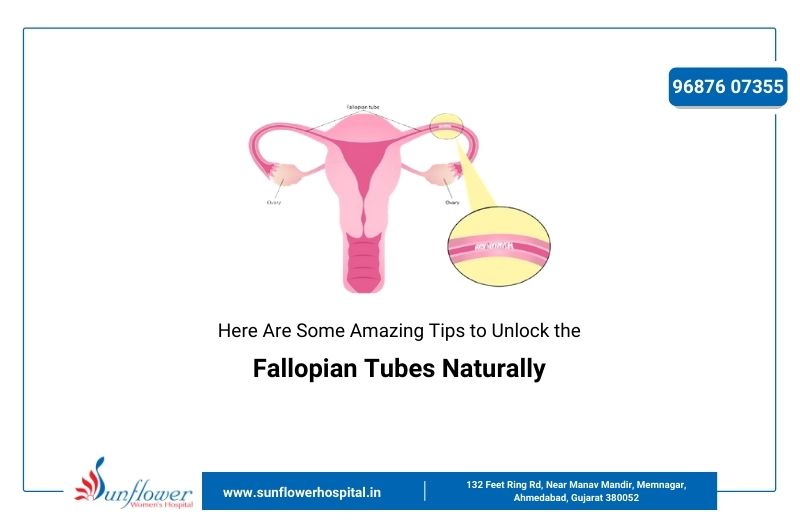
How to Open Blocked Fallopian Tubes Naturally: Amazing Tips
The Fallopian tubes are the female fertility organs that connect the ovaries to the uterus. During ovulation, this fallopian tube carries the egg from the ovary to the uterus, where fertilization takes place through sperm.
If a woman’s fallopian tubes are blocked, the sperm barrier is blocked to reach the egg during fertilization. Sunflower Hospital in Ahmedabad offers world-class tube blockage treatment which is one of your solutions to restore fertility.
Fallopian obstruction is most commonly caused by:
Endometriosis: It is a medical condition in which the tissue that normally goes to the uterus exits the uterus outside the ovary.
Pelvic infection refers to a condition that most often occurs when STD bacteria spread inside the vagina and reach the lining of the uterus.
Sexually transmitted infection refers to the infection caused by sexual contact with parasites, viruses, and bacteria.
Previous surgery in which attachment or scar had developed
Abnormal growth of muscles like fibroids
Surgery is the last resort for fallopian tube obstruction. However, experts encourage women to follow these tips to help prevent barriers:
Increasing your vitamin C intake:- Vitamin C is necessary for our body to absorb iron from food. Fruits such as oranges and lemons are a rich source of vitamin C, which naturally help unblock the fallopian tube. Vitamin C also supports the immune system, helping to reduce inflammation and potentially aiding healing in the reproductive system.
Quit smoking:- Tobacco, alcohol, and cigarettes can pose serious health conditions some of which are life-threatening. Infertility is one of them. Quit smoking and alcohol to stay fit and healthy.
Manage your stress levels:- Stress is a major factor leading to fertility complications between men and women. Regular exercise, yoga, and meditation are natural ways to relieve stress and live a happy life. Stress management is a key factor in supporting fertility and overall reproductive health, as high stress can negatively impact hormonal balance and fertility outcomes.
Avoid multiple sexual partners:– Avoid having sex with multiple partners. Use appropriate contraceptive options for safe sexual intercourse.
Practice yoga:- Yoga not only helps reduce stress levels; Her poses and asanas gently massage our internal organs and promote healing. Some yoga poses help to relieve abdominal and lower back pain, eventually unblocking the fallopian tube. Certain yoga poses and other natural methods can also help improve blood flow to the reproductive organs, supporting overall reproductive health.
Include more herbs in the diet:- Turmeric and cinnamon are ideal ingredients that help improve blood circulation, prevent blockage and reduce inflammation. You can also add these herbs to tea and in your daily diet.
Increase the amount of garlic:- Garlic does not only add a flavor to your food, but its antibacterial and anti-inflammatory properties help boost immunity, blood circulation levels and prevent scars.
These lifestyle changes and natural methods contribute to overall reproductive health and may help women become pregnant naturally, especially in cases where only one fallopian tube is blocked.
Sunflower Hospital is a well-known name among the top IVF center in Ahmedabad that offers tube block treatment. If you find it difficult to conceive naturally, or an IVF center team can help you overcome fertility challenges. There are various fertility treatments available, including both medical and natural methods, and consulting fertility specialists can help determine the best approach for your individual needs.
related blog
November 26, 2025Infertility
Introduction to Fallopian Tube Blockage
Blocked fallopian tubes are a significant cause of infertility, affecting nearly 20-30% of women who struggle to get pregnant. The fallopian tubes are essential components of the female reproductive system, serving as the passageway between the ovaries and the uterus. When these tubes are blocked, it prevents sperm from reaching the egg, making it difficult or even impossible to conceive naturally. Understanding fallopian tube blockage is crucial for women who are trying to achieve pregnancy, as it can help them explore the right treatment options and increase their chances of becoming pregnant. Whether the blockage is partial or complete, early detection and appropriate treatment can make a big difference in restoring fertility and supporting a healthy reproductive system.
Understanding Fallopian Tubes and Their Role in Pregnancy
The fallopian tubes are slender, flexible tubes measuring about 10-13 centimeters in length, and they play a vital role in the female reproductive system. Their main function is to transport the egg from the ovary to the uterus, providing the site where fertilization by sperm typically occurs. Once the egg is fertilized, the fallopian tubes help guide the fertilized egg toward the uterus for implantation and the start of pregnancy. If the fallopian tubes become blocked or damaged, it can prevent this process, leading to infertility or increasing the risk of an ectopic pregnancy, where the fertilized egg implants outside the uterus. Healthy fallopian tubes are essential for natural conception and a successful pregnancy.
Causes of Blocked Fallopian Tubes
There are several factors that can lead to blocked fallopian tubes. One of the most common causes is pelvic inflammatory disease (PID), which is often the result of bacterial infections that spread to the uterus and fallopian tubes. Endometriosis is another major cause, where tissue similar to the lining of the uterus grows outside the uterus, leading to scar tissue and adhesions that can block the tubes. Previous surgeries involving the uterus and fallopian tubes, such as those for ectopic pregnancies or fibroid removal, can also result in scar tissue formation and tubal blockage. In some cases, congenital abnormalities or other medical conditions may contribute to blocked fallopian tubes, making it important to identify the underlying cause for effective treatment.
Symptoms and Diagnosis of Fallopian Tube Problems
Blocked fallopian tubes often do not cause obvious symptoms, which can make them difficult to detect without medical evaluation. Some women may notice unusual vaginal discharge, irregular menstrual cycles, or experience lower abdominal pain, but many have no noticeable signs at all. Because of this, blocked fallopian tubes are frequently discovered only when a woman has difficulty conceiving or experiences complications such as ectopic pregnancy. To diagnose tubal problems, a healthcare provider may recommend tests like hysterosalpingography (HSG), laparoscopy, or sonohysterography to assess the health of the reproductive organs and identify any blockages. Early diagnosis and treatment are essential, as untreated blocked fallopian tubes can lead to ongoing infertility and other reproductive health issues.
When to Visit Male Fertility Specialists
When a couple tries for months and pregnancy doesn’t happen, the first question is usually about the woman. That’s normal, but fertility is…
November 25, 2025Uncategorized
Micro TESE Minimally Invasive Procedure Explained
When a man’s semen report shows no sperm, couples often panic. It feels like there’s no chance left. But that’s not the truth….