Book Appointment

Ultrasound Scan & Sonography in Ahmedabad

Pregnancy scans, fertility monitoring and gynaecological ultrasound care.

Book a Consultation

SONOGRAPHY AT SUNFLOWER

Ultrasound care through every stage

At Sunflower Women's Hospital and Sunflower Infertility and IVF Centre in Ahmedabad, ultrasound scans support pregnancy care, fertility assessment and the diagnosis of gynaecological conditions. They also help monitor the ovaries during IVF and ICSI treatment cycles.

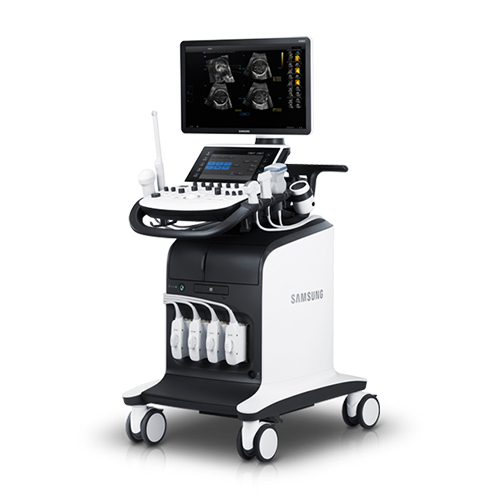
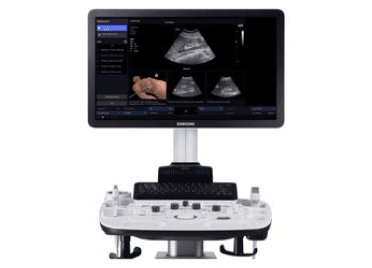
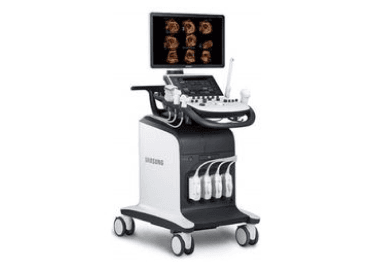
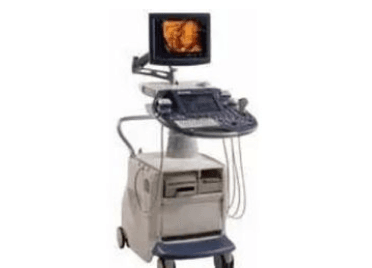
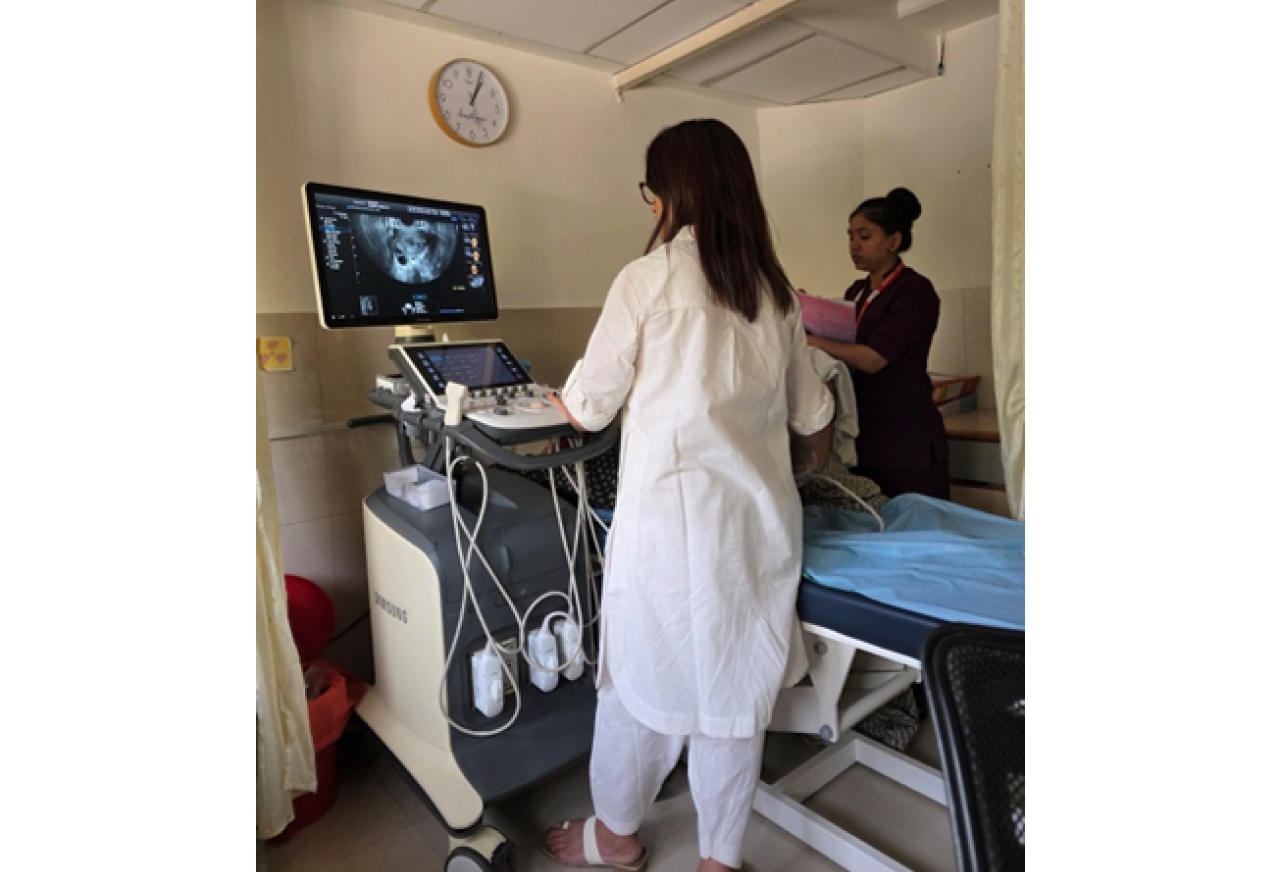
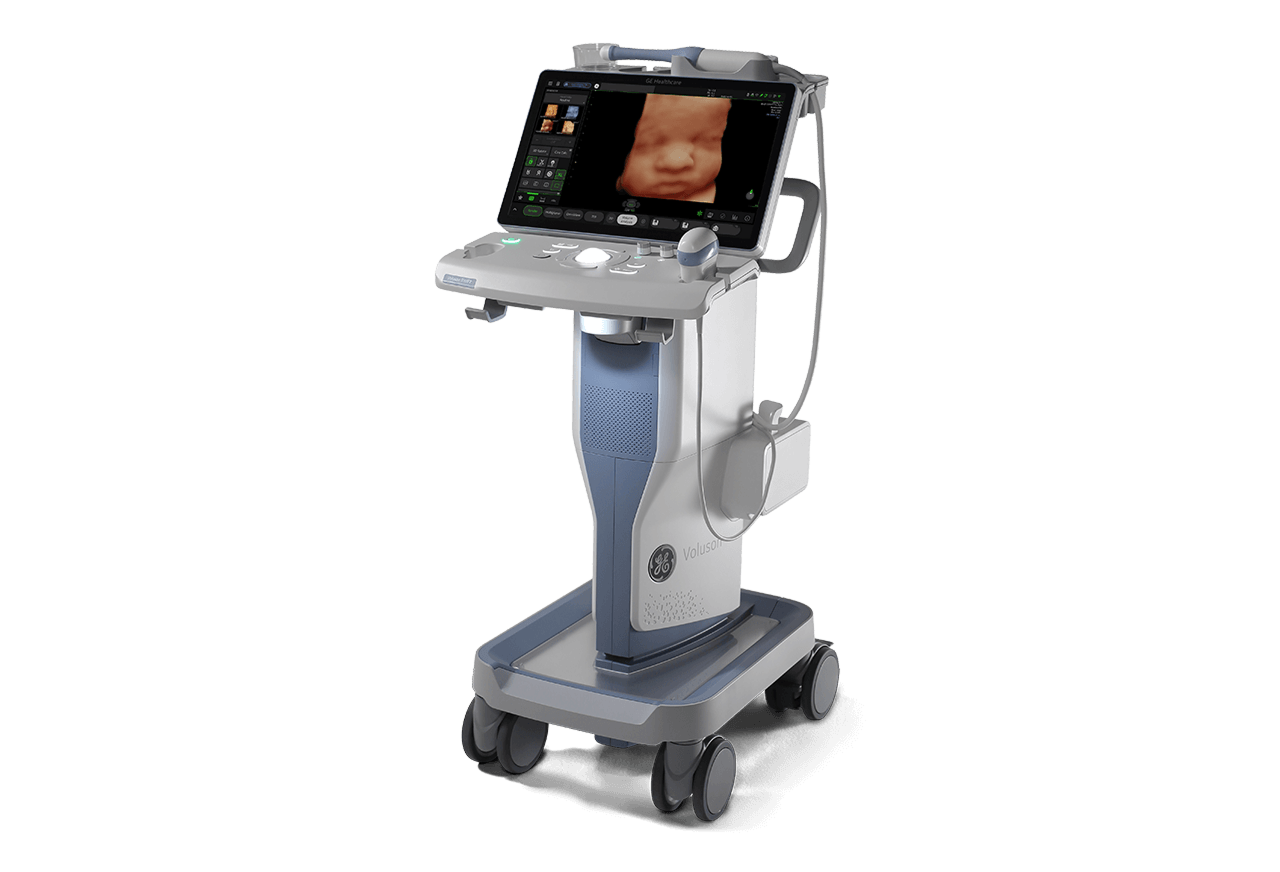
As a dedicated centre for women's ultrasound in Ahmedabad, our sonography unit is staffed by a full-time radiologist and visiting sonologists, and supported by 3D/4D ultrasound machines and colour Doppler systems.

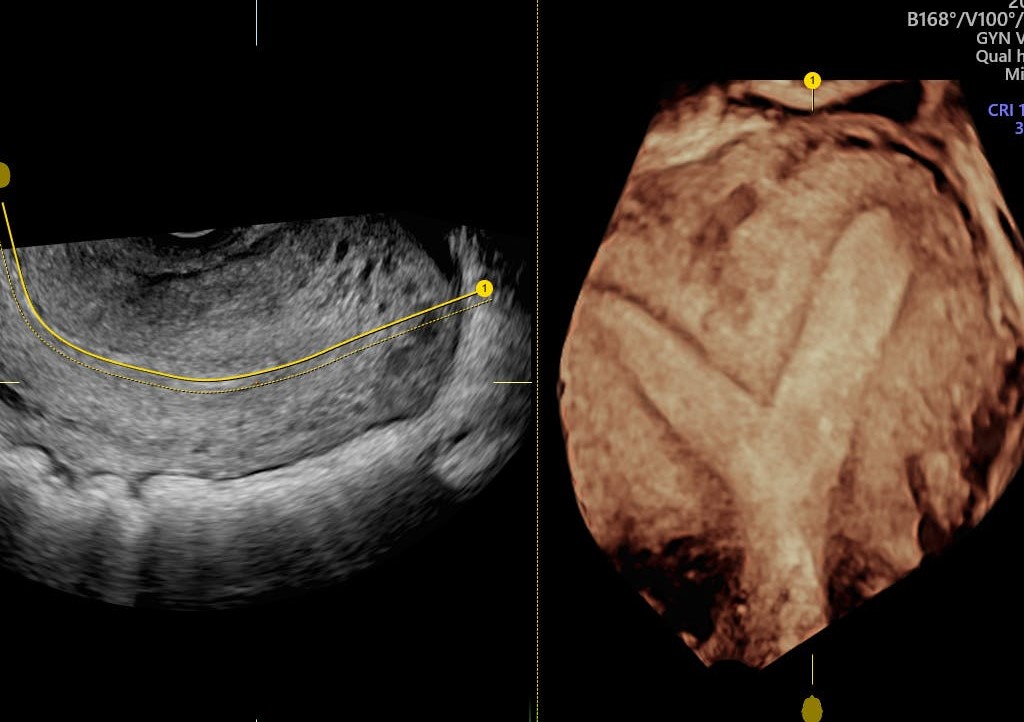
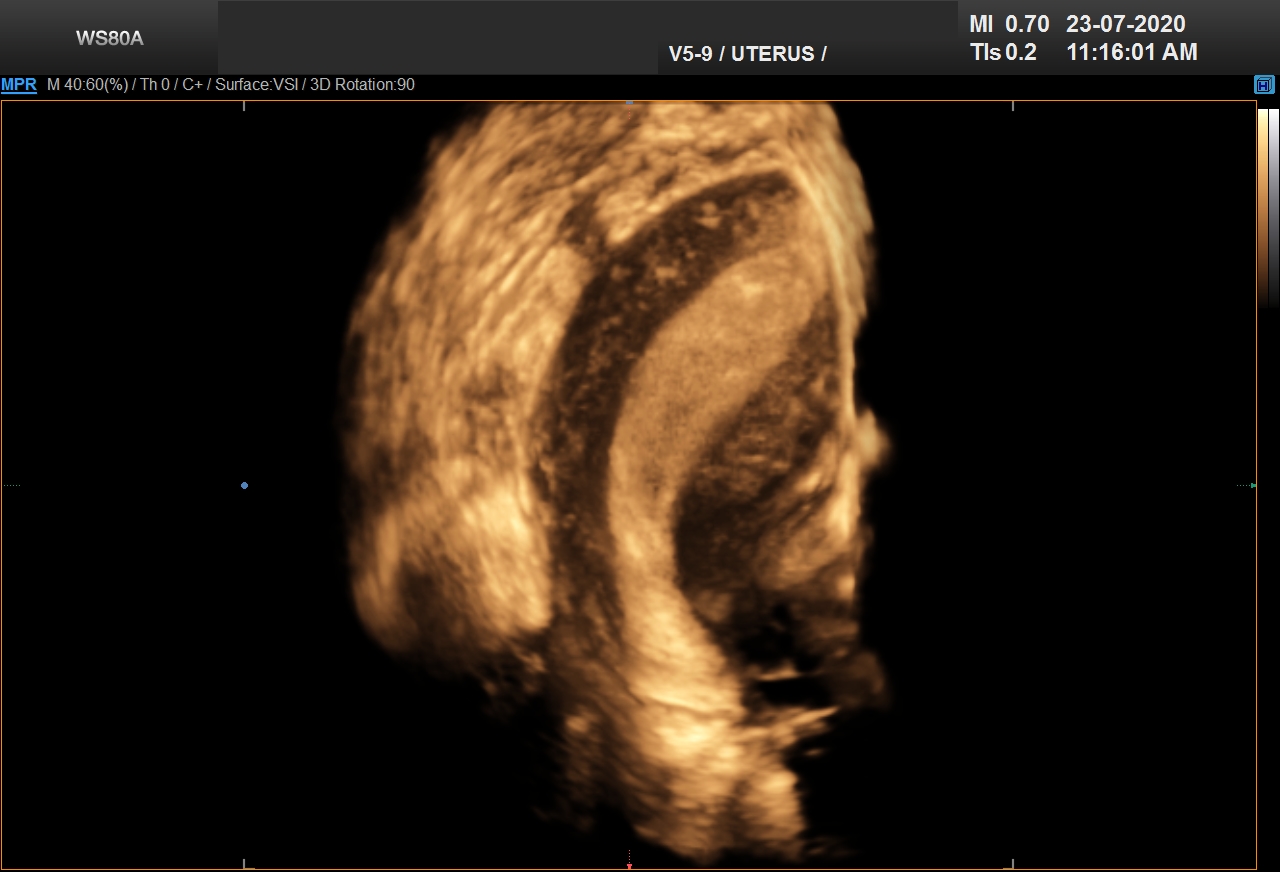
3D and 4D sonography services at Sunflower

What Is Sonography and Why Is It Used?

Sonography, also called ultrasound, uses sound waves rather than ionising radiation to create real-time images of structures inside the body.

In women's health, it helps assess the uterus, ovaries and early pregnancy. Your doctor may recommend a scan for delayed menstruation, pelvic pain or fertility-treatment monitoring. The need for repeat scans depends on your symptoms, treatment and clinical assessment.

Pregnancy Ultrasound Scans (Obstetric Sonography)

Pregnancy scans aren't all the same. Different weeks call for different scans, and each one is looking for something specific.

01

First Trimester Scan

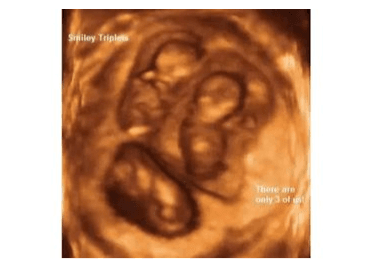
An early pregnancy scan helps confirm the location of the pregnancy, assess gestational age and identify a multiple pregnancy. It can also help establish the expected due date. At the appropriate stage, ultrasound may form part of screening for certain chromosomal conditions alongside blood tests.

02

Anomaly Scan and Growth Scan

An anomaly scan, usually performed in the second trimester, examines the baby's organs and structures. A growth scan assesses the baby's size, amniotic fluid and placenta. Doppler ultrasound may be used when clinically indicated to assess blood flow, particularly in pregnancies that need closer monitoring.

03

2D, 3D and 4D Ultrasound: What's the Difference

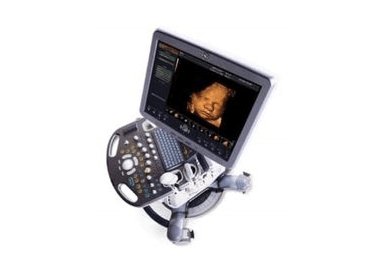
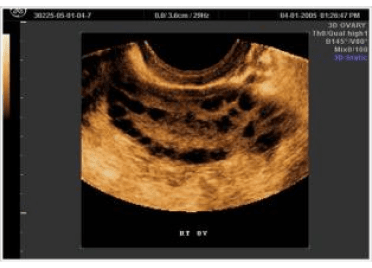
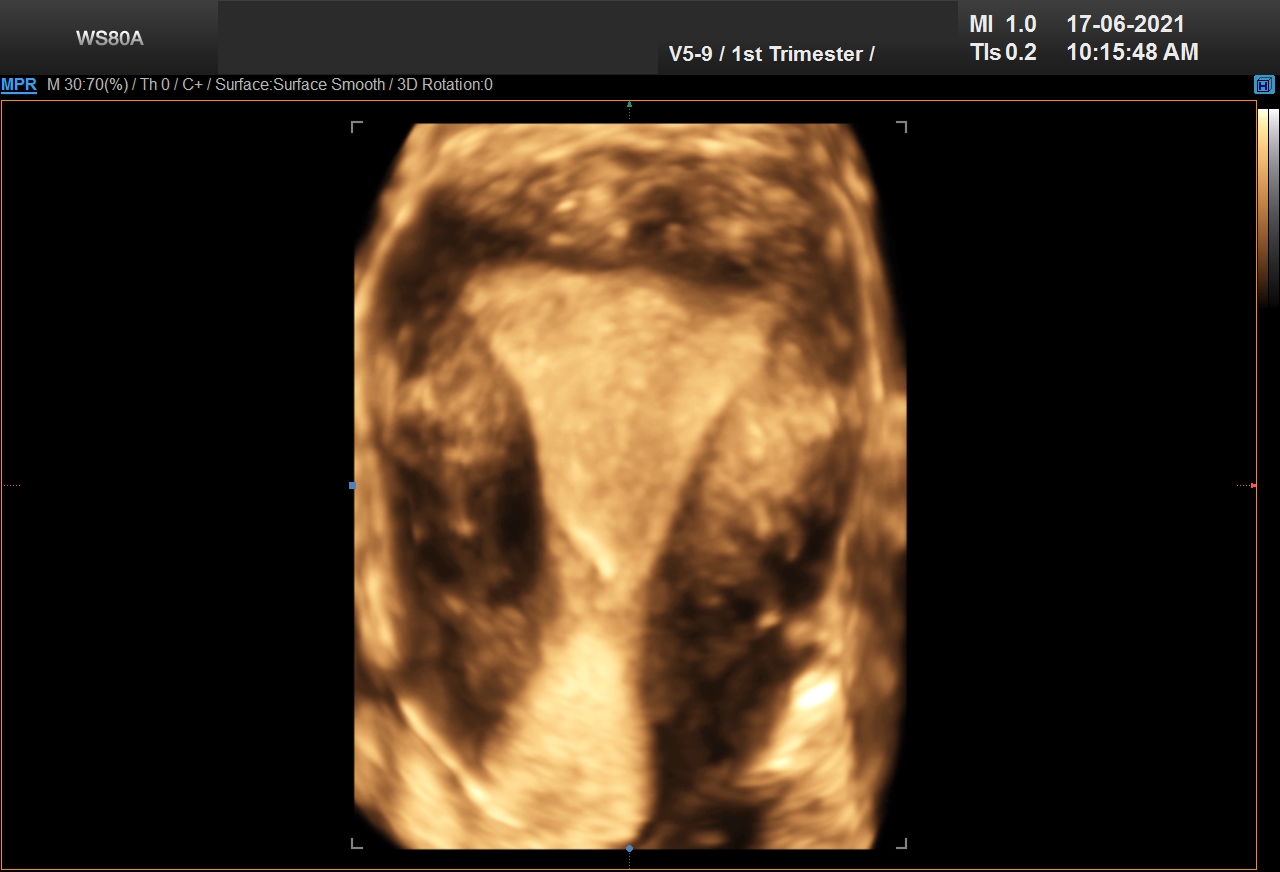
2D ultrasound is the standard scan used to assess pregnancy and pelvic structures. 3D ultrasound creates a three-dimensional still image, while 4D shows three-dimensional images in motion. These techniques can provide additional information in selected circumstances; they complement rather than replace the routine 2D assessment.

Fertility & Gynaecological Ultrasound

Ultrasound is also an important part of fertility care and gynaecological assessment. It helps the team monitor treatment cycles and investigate conditions affecting the uterus and ovaries.

Follicular Study and Ovarian Assessment

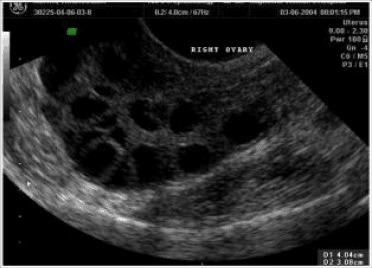
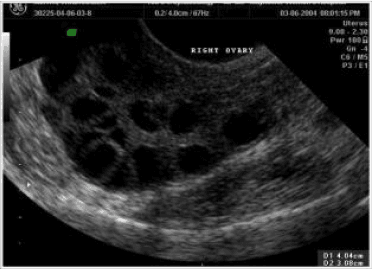
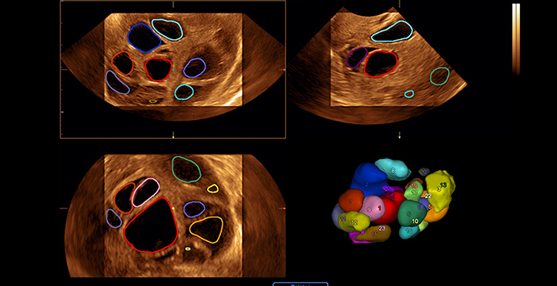
A follicular study is a series of scans used during ovulation induction, IVF or ICSI to track the growth of ovarian follicles. The timing and number of scans depend on your response to treatment and help the fertility team plan the next step, such as a trigger injection or egg collection.

The assessment may include ovarian volume, antral follicle count as one marker of ovarian reserve, and the uterine cavity and endometrial lining when planning treatment or embryo transfer.

Diagnosing Fibroids, Cysts, Endometriosis and Uterine Anomalies

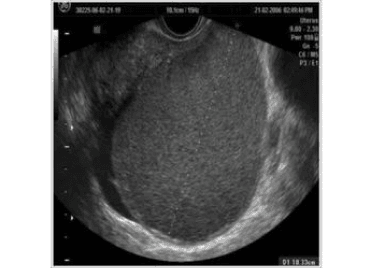
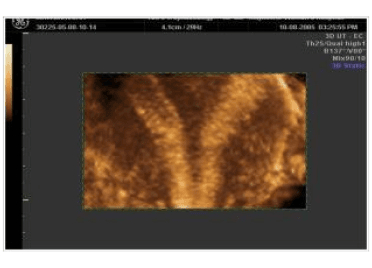
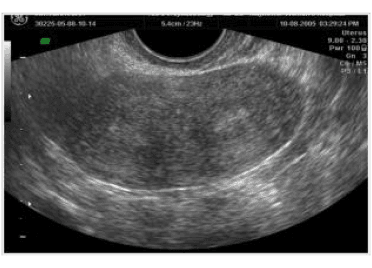
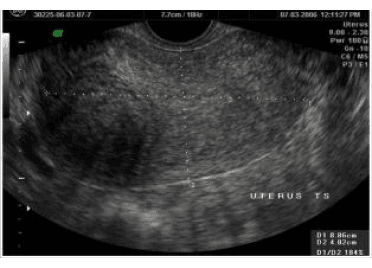
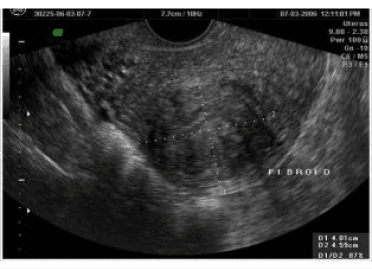
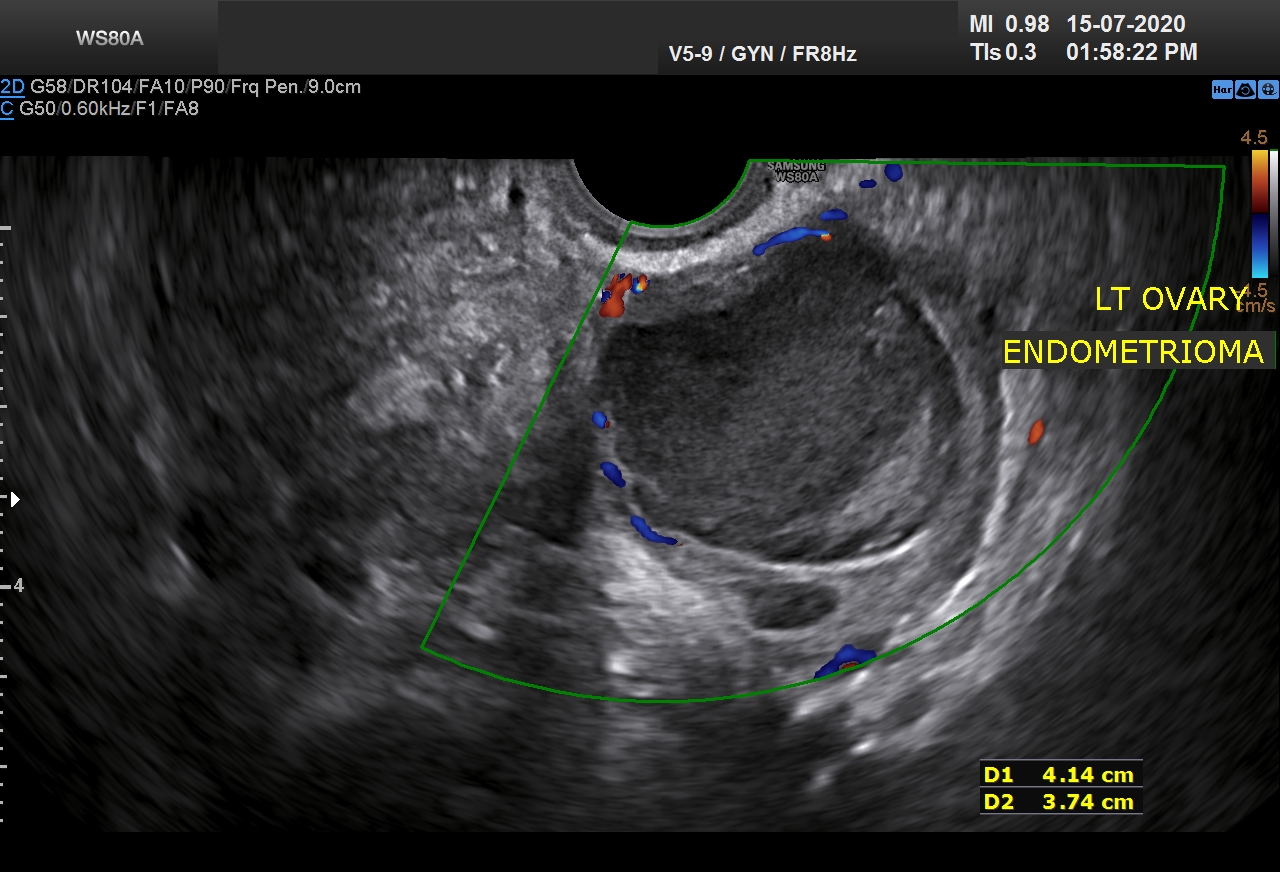
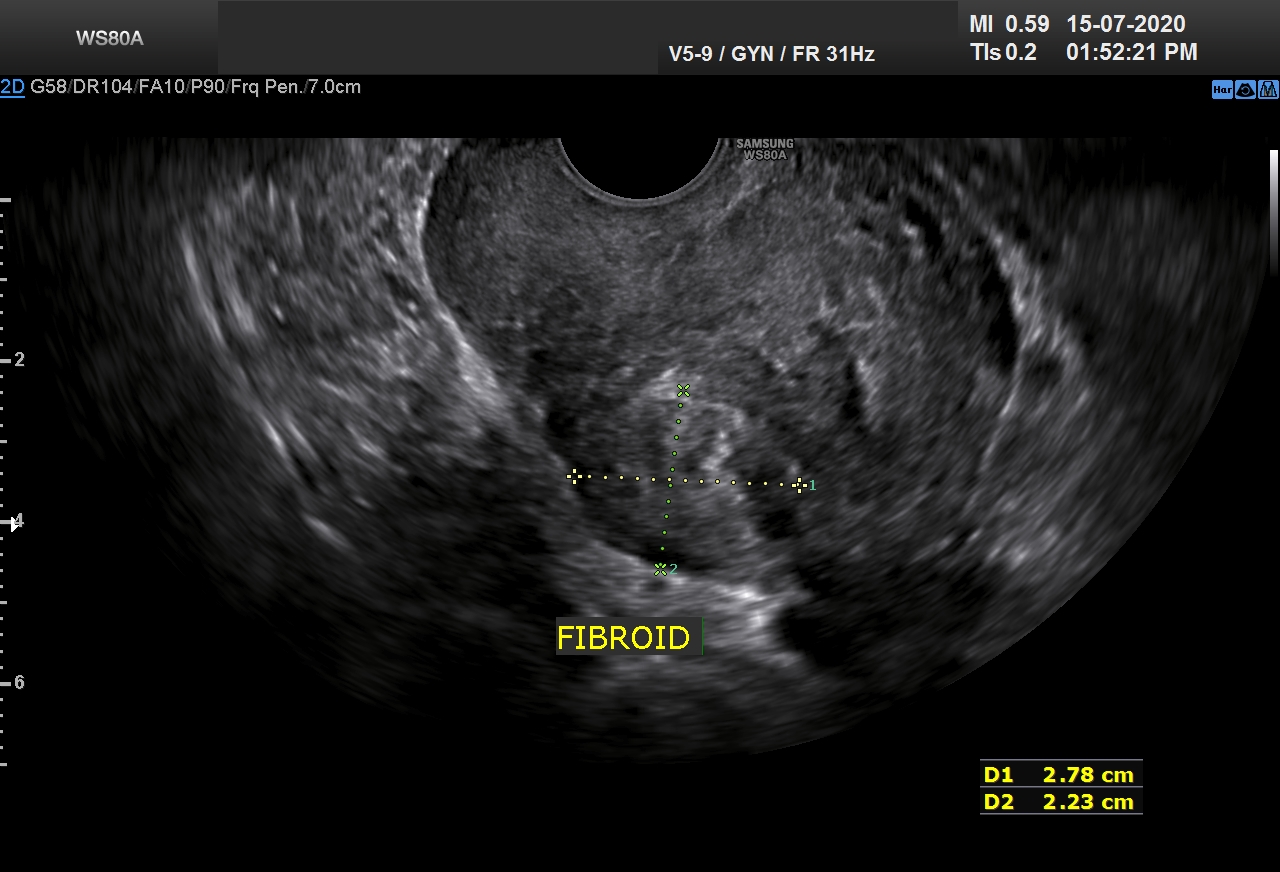
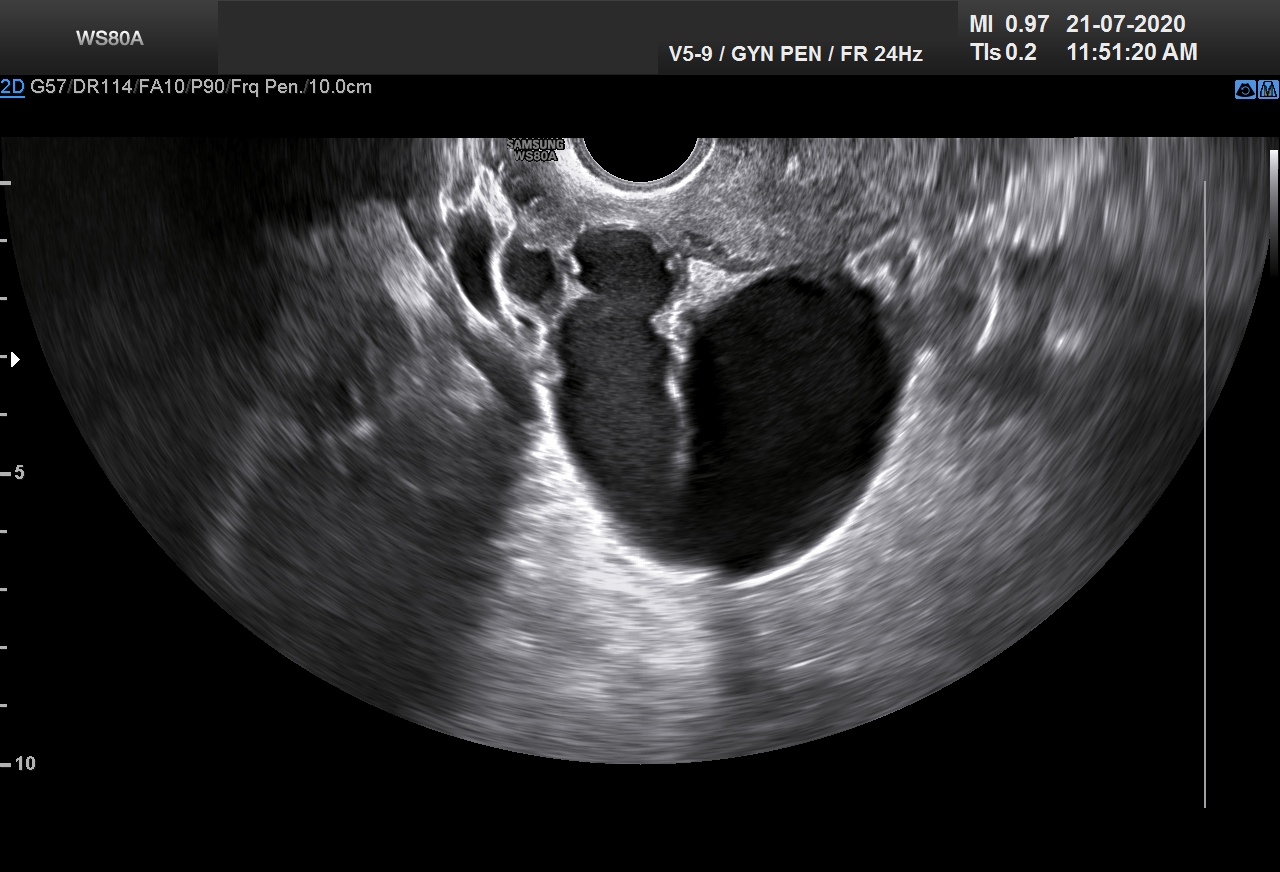
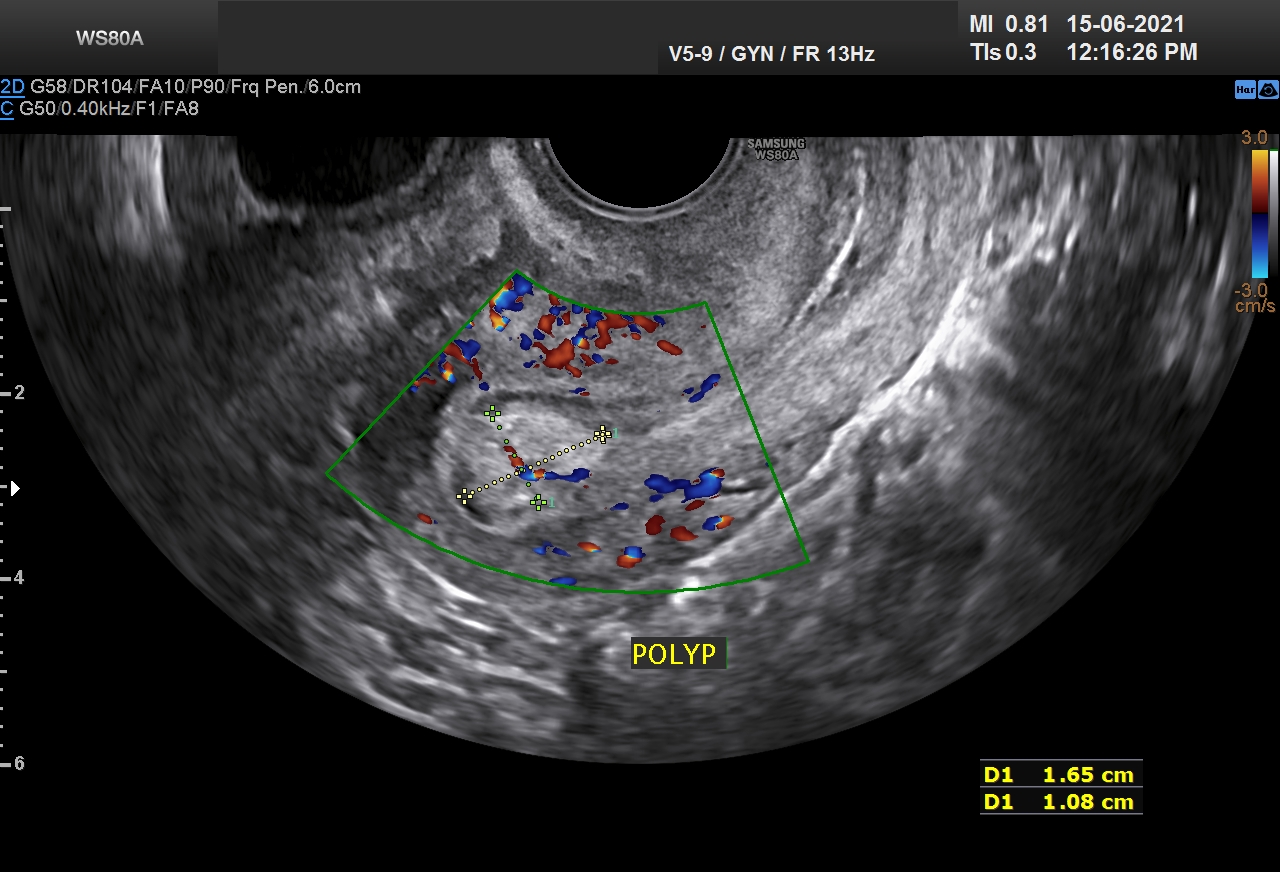
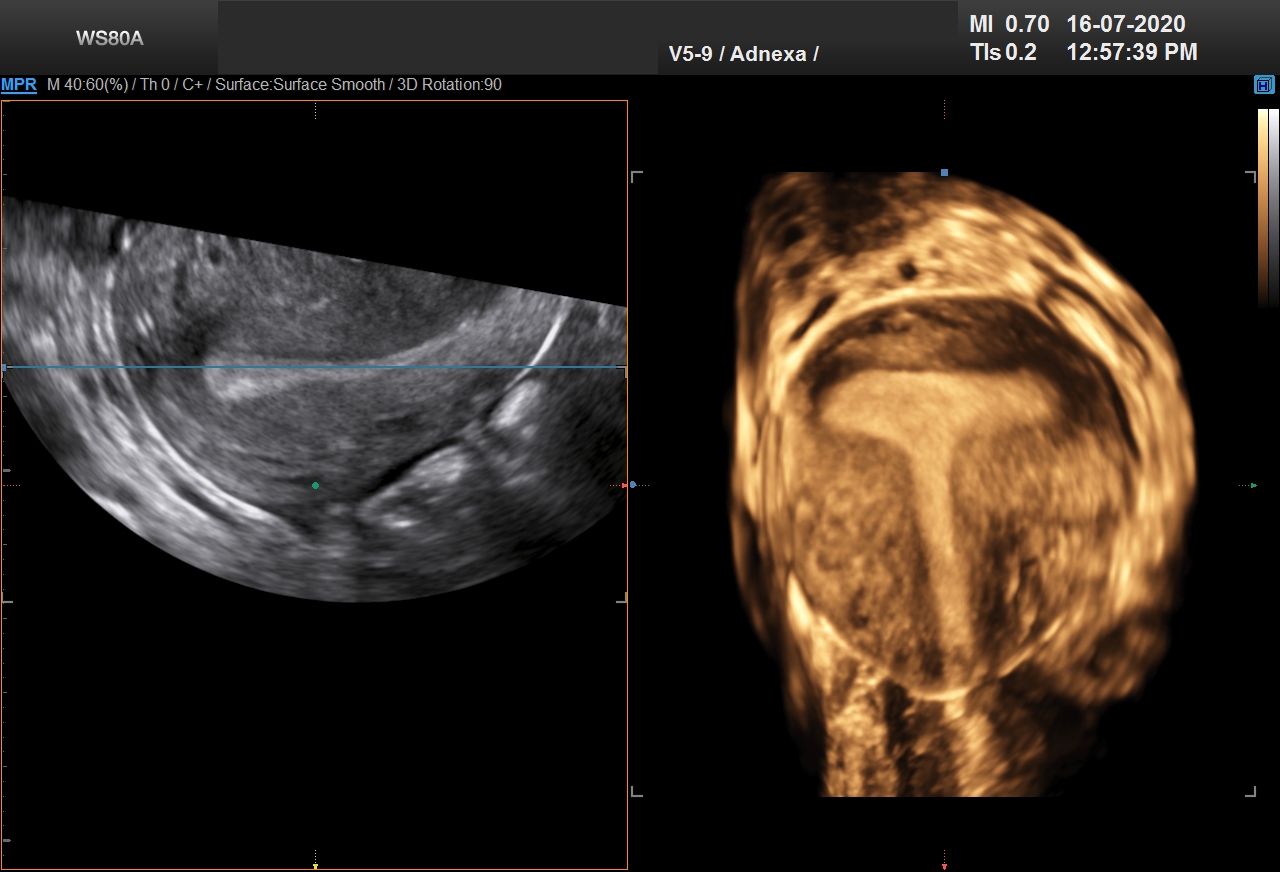
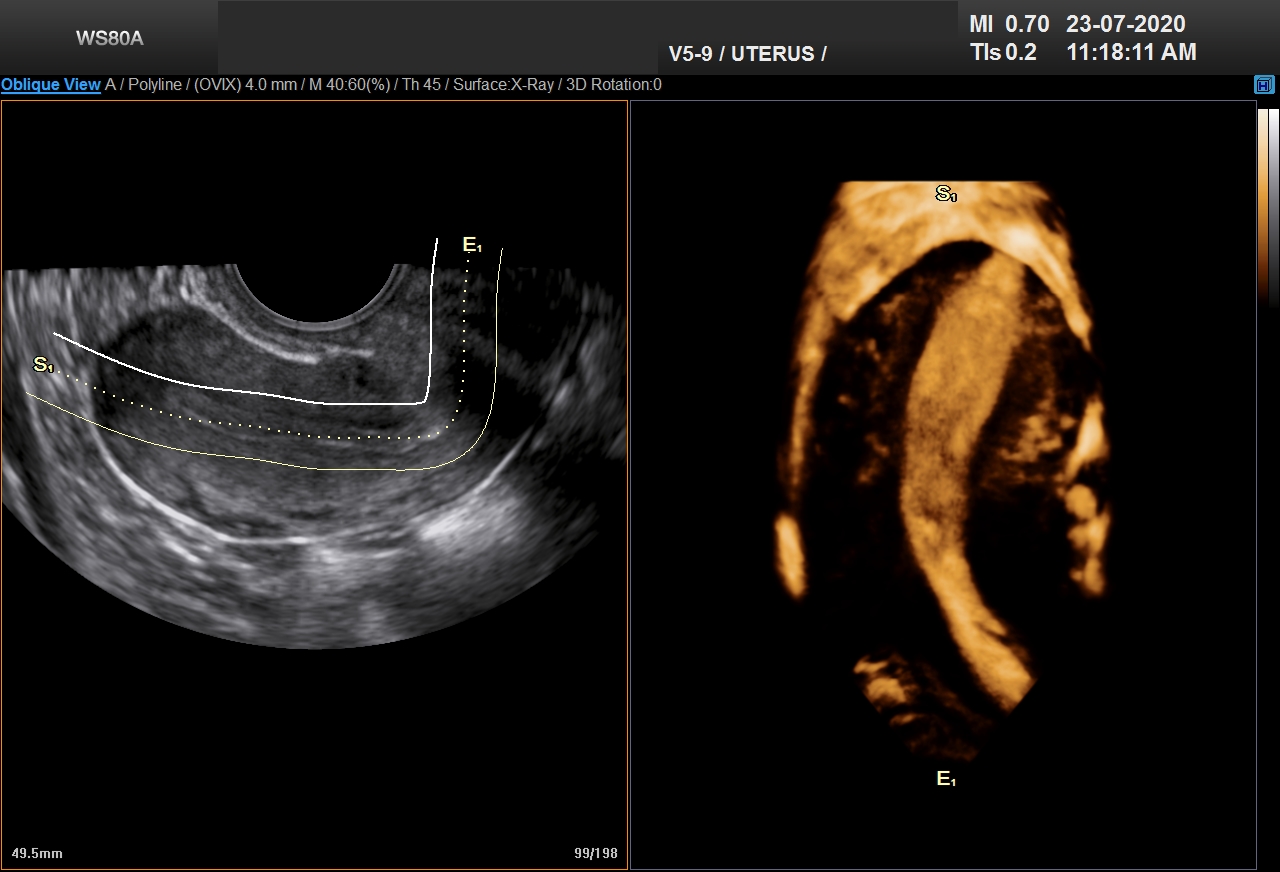
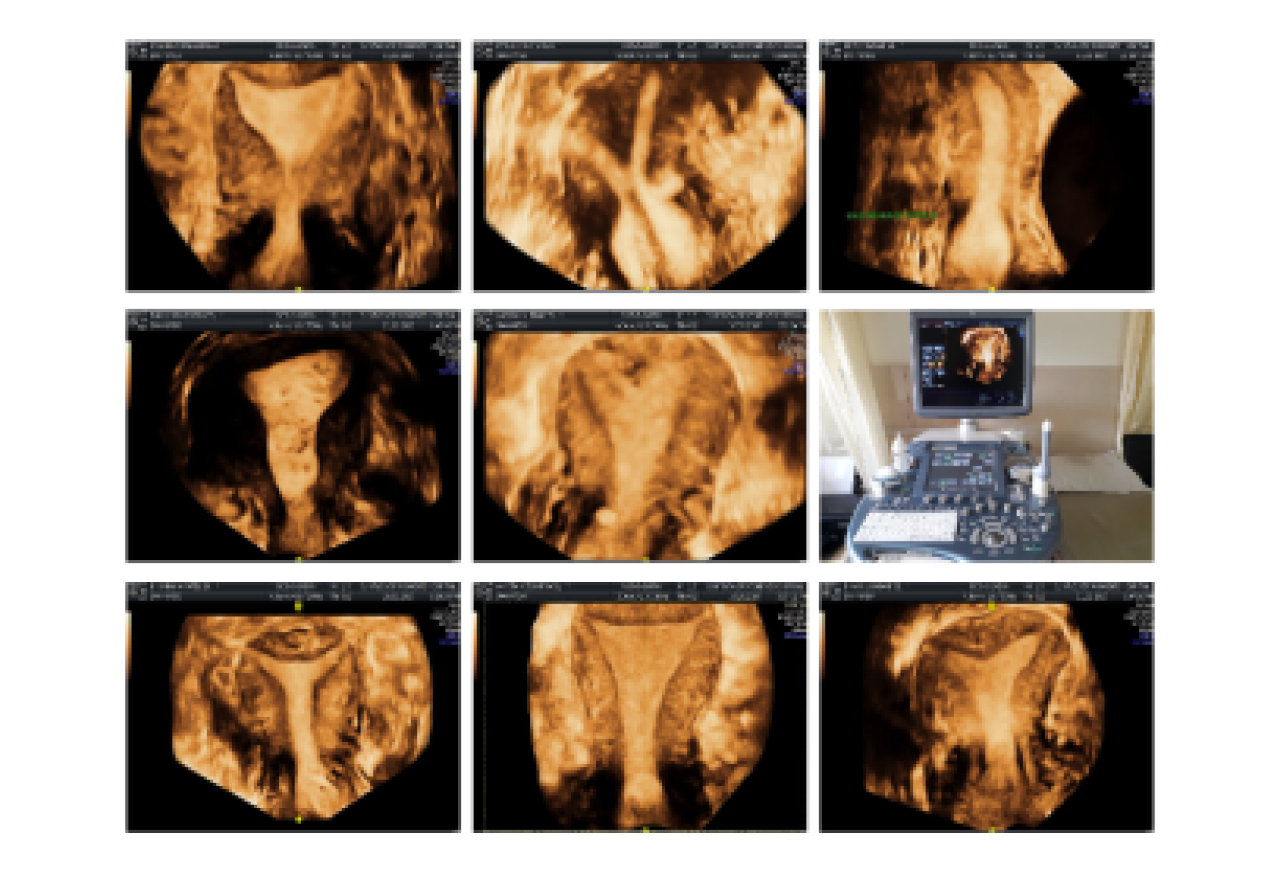
Gynaecological scans may identify fibroids, adenomyosis, endometriotic cysts, dermoid or paraovarian cysts, and hydrosalpinx—fluid within a fallopian tube. Doppler may help assess blood flow when needed. Ultrasound can also identify differences in uterine shape, such as a septate, bicornuate or unicornuate uterus. Findings are interpreted alongside your symptoms, history and other tests.


Sonography for gynaecological and fertility assessment

Ultrasound-Guided Procedures

In selected cases, ultrasound helps the specialist guide a procedure in real time. Whether a procedure is appropriate depends on the clinical assessment and a discussion of its benefits and risks.
  • Chorionic villus sampling (CVS) and amniocentesis, both prenatal procedures performed under ultrasound guidance.
  • Selective multi-fetal reduction, done in some cases of triplet or quadruplet pregnancies.
  • Ovarian cyst aspiration.
  • Ovum pick-up, the egg retrieval step in IVF and ICSI, done under ultrasound guidance.

Our Sonography Team

Every scan at Sunflower Infertility and IVF Centre is read by one of our radiologists or sonologists, working alongside the wider gynaecology and fertility team so results feed straight back into treatment decisions.

Dr. Manisha Mandot

Dr. Manisha Mandot

Full-Time Radiologist

Leads day-to-day sonography at Sunflower, covering obstetric scans; first trimester, anomaly, growth, colour Doppler as well as gynaecological and fertility-related scanning.

Dr. Falguni Parikh

Dr. Falguni Parikh

Visiting Sonologist

Conducts obstetric and gynaecological ultrasounds at Sunflower, including fertility-related scans such as follicular studies and ovarian assessment.

Dr. Jigish Trivedi

Dr. Jigish Trivedi

Sonologist

Part of the sonography team performing obstetric and gynaecological scans, including diagnostic and Doppler studies.

Dr. Rakesh Chauhan

Sonologist

Part of the sonography team performing obstetric and gynaecological scans, including diagnostic and Doppler studies.

Equipment at Our Sonography Unit

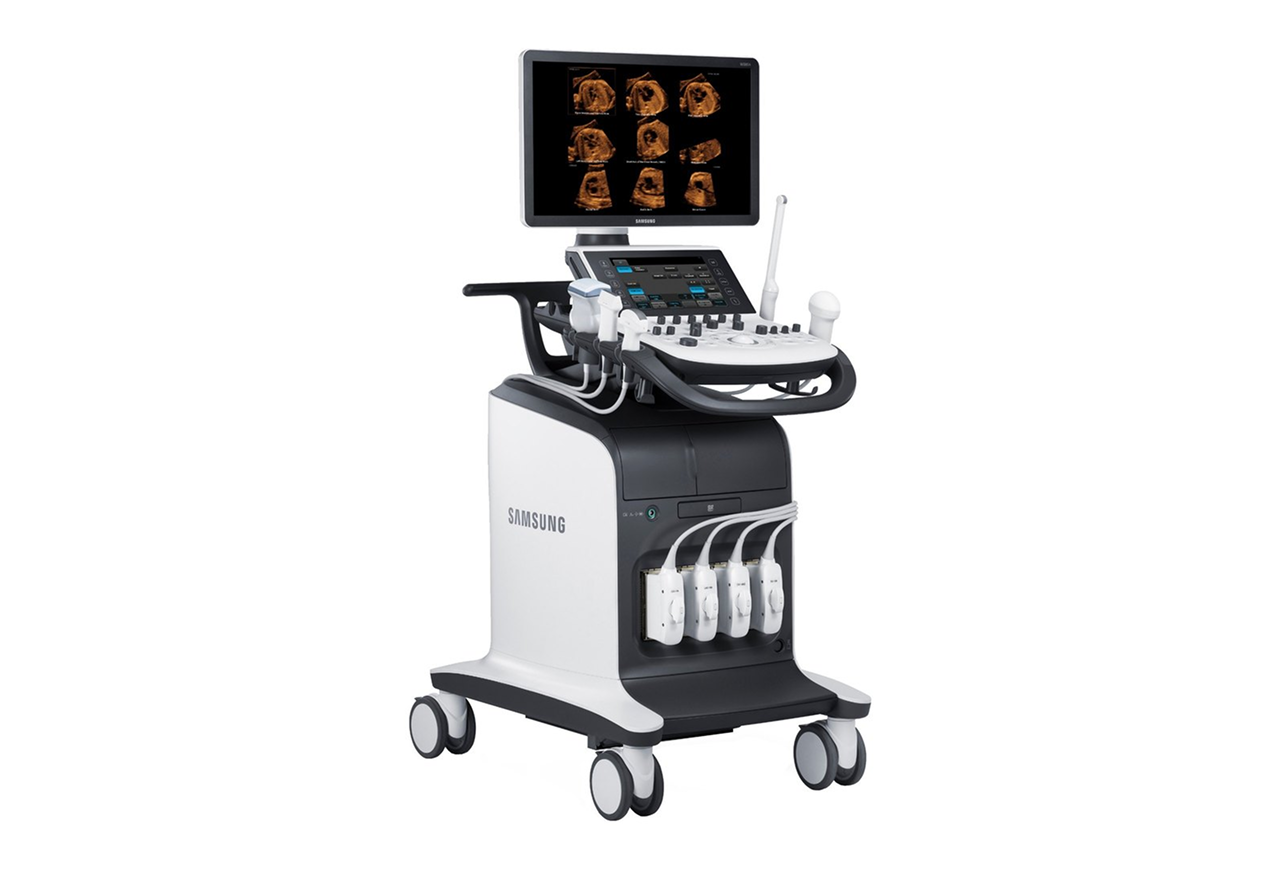
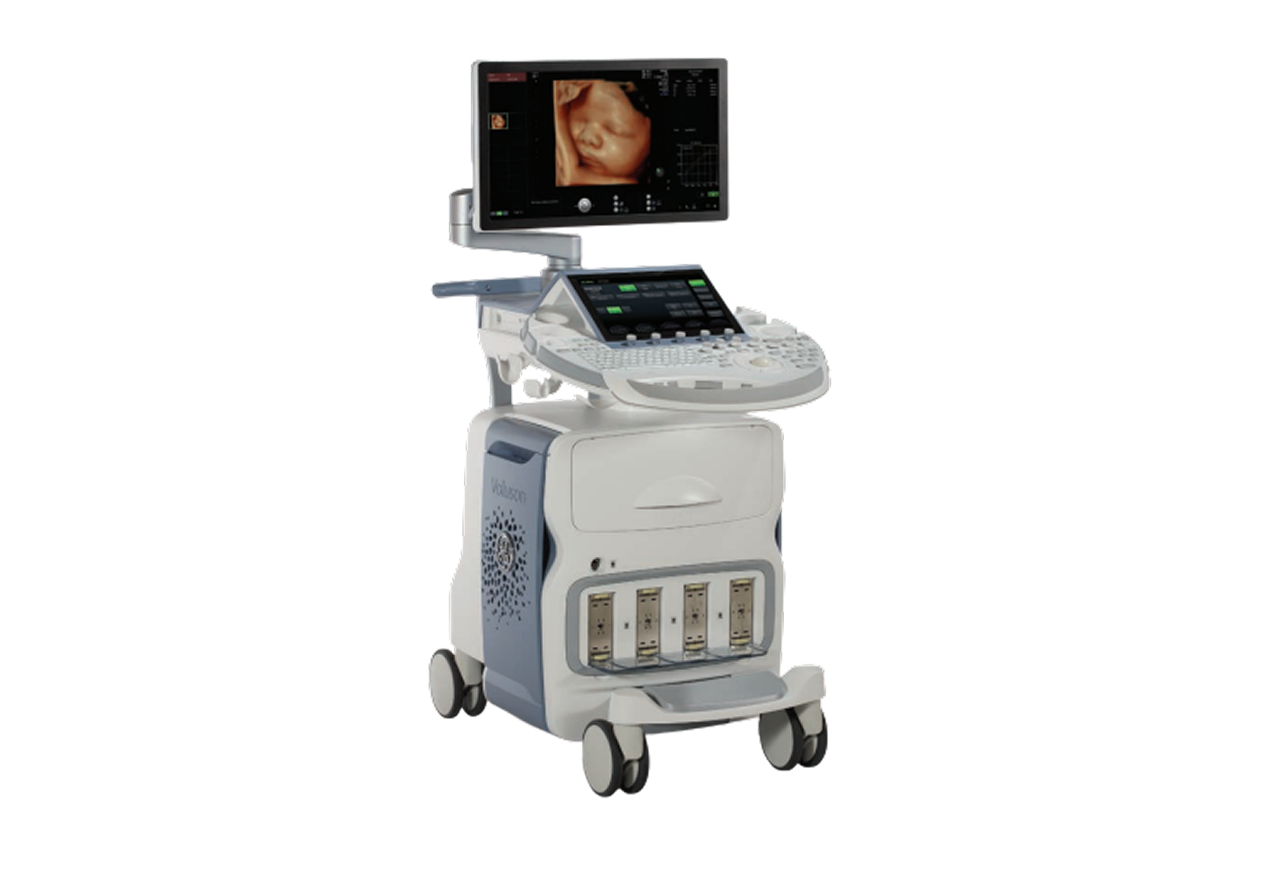
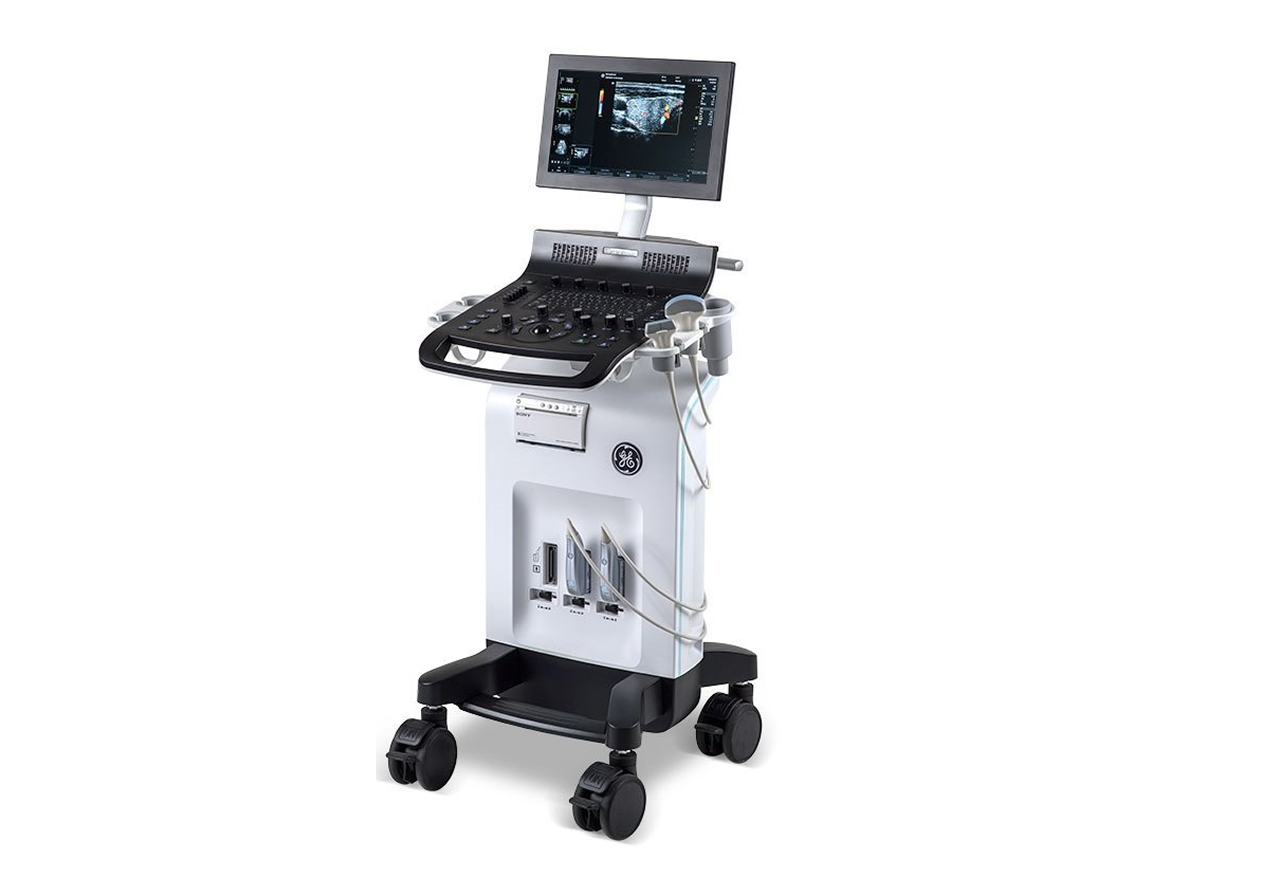
The unit's equipment includes Samsung HS30 and WS80A; GE Voluson S6, E8, E10 and SWIFT+; Logiq C5 Premium; Versana Balance; and Logiq 3 Pro colour Doppler systems. The team selects the machine and imaging mode—including 3D/4D or colour Doppler where appropriate—to suit the examination.

Is a Sonogram Safe?

Diagnostic ultrasound uses sound waves, not ionising radiation, and is widely used in pregnancy and fertility care. It should be performed for a medical reason by trained professionals, with exposure kept to what is needed for the examination. Most scans are well tolerated, although pressure from the probe or an internal scan may cause some discomfort. Tell the clinician if you feel uncomfortable.

How to Prepare for Your Ultrasound Scan

Preparation depends on the type of scan. Some abdominal examinations may require fasting, while some early-pregnancy or transabdominal pelvic scans may need a full bladder. Transvaginal scans usually require an empty bladder. Follow the instructions provided for your appointment rather than fasting or drinking extra water routinely.

Beyond that, wear something loose and easy to adjust, and if your doctor's given you specific instructions, go with those over anything general you've read elsewhere. If you're not sure what your particular scan needs, just ask when you book.

Frequently Asked Questions

What's the difference between a growth scan and an anomaly scan?

They're looking for different things at different times. The anomaly scan, done in the second trimester, is about structure, checking the baby's organs are developing properly. The growth scan comes later and checks size, fluid, and blood flow, how things are progressing, rather than how they're built.

Is a follicular study only done for IVF?

No. Follicular monitoring may be used during ovulation induction as well as IVF or ICSI. It helps the team assess how the ovaries are responding to treatment.

Can an ultrasound diagnose infertility on its own?

Not on its own, but it does a lot of the groundwork, picking up fibroids, cysts, ovarian reserve markers, uterine anomalies. It's usually one part of a fuller fertility workup rather than the whole answer.

How many scans will I have during pregnancy?

The number and timing vary. Your obstetrician will recommend scans according to the stage of pregnancy, your history and any concerns that need monitoring. A fixed schedule does not apply to every pregnancy.

Do I need a full bladder for every scan?

No. A full bladder may be needed for some early-pregnancy or transabdominal pelvic scans, while transvaginal scans usually require an empty bladder. Confirm the preparation instructions when booking.

Plan your next scan with Sunflower

Have questions about a scan result, or a pregnancy or fertility ultrasound coming up? Speak with our team to understand your appointment, preparation and next steps.

Talk to a Fertility Specialist
Chat with Sunflower on WhatsApp