

ICSI Treatment in Ahmedabad: Procedure, Cost, and Success Rates
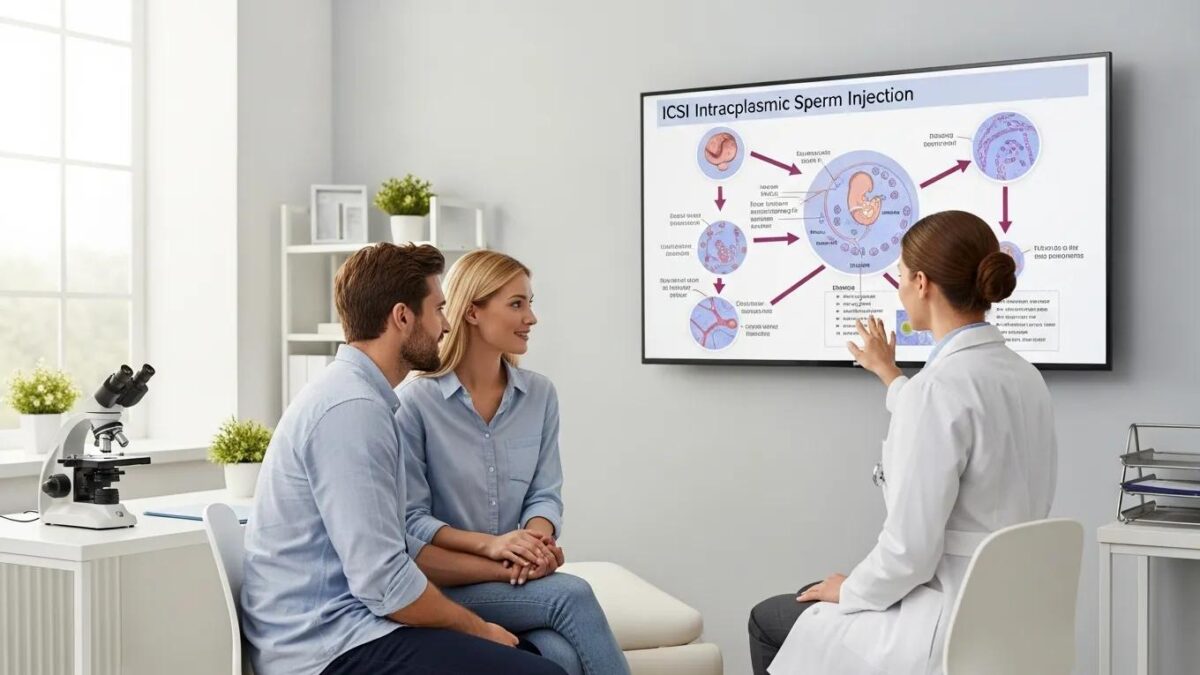

ICSI Treatment in Ahmedabad: Comprehensive Guide to Procedure, Cost, and Success Rates
ICSI (Intracytoplasmic Sperm Injection) is a specialised assisted reproductive technique that has changed modern fertility care. It is particularly useful for couples affected by male factor infertility because it enables the direct injection of a single sperm into an egg, improving the likelihood of fertilisation. This guide explains the ICSI procedure, typical costs and reported success rates in Ahmedabad. Clear information helps couples weigh their options and make informed decisions about treatment at centres such as Sunflower Hospital.
Key Takeaways
- ICSI treatment in Ahmedabad addresses male infertility by injecting a single sperm directly into an egg for fertilization.
- The ICSI procedure involves consultation, ovarian stimulation, egg retrieval, sperm collection, fertilization, and embryo transfer.
- ICSI treatment costs in Ahmedabad range from ₹1,50,000 to ₹2,50,000, including medications and laboratory services.
- Factors influencing ICSI costs include clinic reputation, treatment complexity, and urban location like Ahmedabad.
- Success rates for ICSI in Ahmedabad average around 50% for women under 35, aligning with national averages.
- Patient factors affecting ICSI success include female age, egg and sperm quality, and overall health conditions.
- Choosing a clinic with experienced specialists, comprehensive services, and patient-centric care improves ICSI outcomes.
- Eligibility for ICSI includes male infertility, unexplained infertility, or previous IVF failures after thorough medical evaluation.
- Potential ICSI risks include ovarian hyperstimulation syndrome, multiple pregnancies, and emotional stress during treatment.
Procedure
The ICSI pathway is a specialised form of in vitro fertilisation that comprises several defined stages. It begins with a detailed consultation in which the fertility specialist reviews medical histories and recommends an appropriate plan. Ovarian stimulation then follows, using hormonal medication to encourage the development of multiple mature eggs.
When follicles reach maturity, egg retrieval is performed under ultrasound guidance to collect the eggs. A sperm sample is processed in the laboratory to select the best-quality sperm. Embryologists then inject a single sperm into each egg to enable fertilisation. Each step is performed with precision to optimise the chances of conception.
What Is ICSI Treatment and How Does It Work?
ICSI is an effective assisted reproductive technique designed to overcome specific barriers to fertilisation, particularly those related to sperm function. By delivering one sperm directly into the egg, ICSI bypasses natural hurdles and can succeed where conventional IVF has not. Treatment success depends on the quality of both gametes, so a full clinical assessment is essential before proceeding.
What Are the Step-by-Step Procedures of ICSI?
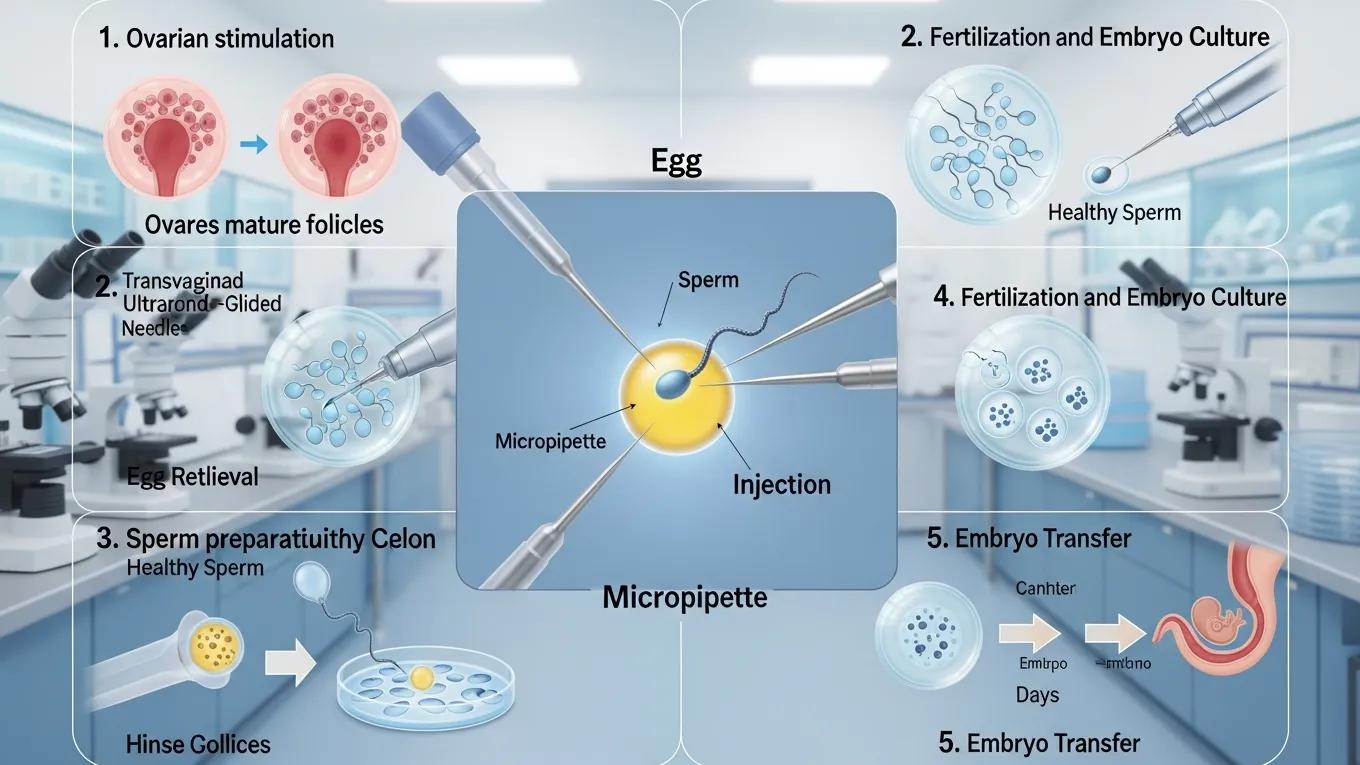
The ICSI process can be broken down into several key steps:
- Consultation: A detailed assessment of the couple’s fertility health.
- Ovarian Stimulation: Hormonal treatment to produce multiple eggs.
- Egg Retrieval: Surgical collection of mature eggs from the ovaries.
- Sperm Collection: Obtaining a sperm sample from the male partner.
- Fertilization: Direct injection of sperm into the eggs.
- Embryo Transfer: Placement of fertilized embryos into the uterus.
These sequential steps are performed to ensure the procedure is carried out safely and effectively, with the objective of achieving a viable pregnancy.
Associated Costs
ICSI costs in Ahmedabad vary according to clinic facilities, included services and clinical complexity. A typical cost band is ₹1,50,000 to ₹2,50,000. This usually covers consultation, diagnostic tests, ovarian stimulation drugs, laboratory procedures and embryo transfer, though exact inclusions differ by centre.
What Is the Cost of ICSI Treatment in Gujarat and Ahmedabad?
Costs in Gujarat are generally competitive compared with other Indian regions. Fees vary with clinic infrastructure and the experience of the medical team. Sunflower Hospital is noted for offering transparent pricing and comprehensive care packages to meet different budgetary needs without hidden charges.
What Factors Influence the ICSI Treatment Cost in Gujarat?
Several factors can influence the cost of ICSI treatment, including:
- Clinic Reputation: Established clinics with a high success rate may charge more.
- Treatment Complexity: Cases requiring additional procedures or medications can increase costs.
- Location: Urban centers like Ahmedabad may have higher prices due to demand.
Awareness of these factors helps couples plan financially and select a centre that offers appropriate clinical value.
How Does Ahmedabad’s ICSI Cost Compare to National Averages?
Compared with national averages, Ahmedabad provides competitively priced ICSI services. Metropolitan centres elsewhere can be more expensive, making Ahmedabad an attractive choice for those seeking quality treatment at reasonable cost.
Success Rates
ICSI success rates depend on multiple variables, including female age, cause of infertility and embryo quality. Nationally, reported success ranges from 30% to 60%, with higher rates generally seen in younger women.
What Are the Success Rates of ICSI Treatment in India and Ahmedabad?

In Ahmedabad, reputable clinics such as Sunflower Hospital report outcomes that align with national figures, commonly noting success rates near 50% for women under 35. These figures reflect clinical expertise and the use of modern laboratory techniques.
What Patient Factors Affect ICSI Success Rates?
Several patient-specific factors can influence the success rates of ICSI treatment, including:
- Age of the Female Partner: Younger women generally have higher success rates.
- Quality of Eggs and Sperm: The health and viability of gametes are crucial.
- Overall Health: Pre-existing health conditions can impact fertility outcomes.
Understanding these variables allows couples to form realistic expectations and to discuss personalised strategies with their care team.
How Do Sunflower Hospital’s Success Rates Compare Regionally?
Sunflower Hospital reports competitive success rates in its region. The centre’s emphasis on individualised care and updated reproductive techniques contributes to outcomes that often match or exceed local benchmarks.
Choosing the Right Clinic
Selecting an appropriate clinic is a pivotal decision that affects treatment quality and patient experience. Couples should review clinic credentials, success records and available services when choosing a provider.
- Experience and Expertise: Look for clinics with a proven track record in fertility treatments.
- Comprehensive Services: Ensure the clinic offers a full range of fertility services, including counseling and support.
- Patient-Centric Care: Choose a clinic that prioritizes patient comfort and provides personalized treatment plans.
Evaluating these elements will assist couples in finding a centre that meets both clinical needs and personal preferences.
Who Is Eligible for ICSI Treatment and How to Prepare?
ICSI is commonly recommended for couples with male factor infertility, unexplained infertility or after previous IVF failures. Preparation includes medical assessment, optimisation of general health and adherence to the clinic’s pre-treatment instructions.
What Are the Common Eligibility Criteria for ICSI?
Common eligibility criteria for ICSI treatment include:
- Medical History: A thorough evaluation of both partners’ reproductive health.
- Age Factors: Consideration of the female partner’s age and overall health.
- Previous Treatment Outcomes: Assessment of any prior fertility treatments and their results.
What Are the Risks and Side Effects Associated with ICSI Treatment?
While ICSI is widely used and considered safe, there are recognised risks and side effects. Awareness of these helps couples prepare and make informed choices during treatment planning.
- Ovarian Hyperstimulation Syndrome (OHSS): A condition that can occur due to excessive stimulation of the ovaries.
- Multiple Pregnancies: Increased likelihood of twins or higher-order multiples.
- Emotional Stress: The emotional toll of fertility treatments can be significant.
Being informed about potential complications supports better physical and emotional preparation for the treatment journey.
What Do Patients Say About Their ICSI Treatment Experience in Ahmedabad?
Patient feedback in Ahmedabad is generally positive. Many couples commend the professional conduct of clinical teams, the compassionate care provided and the successful outcomes achieved at centres such as Sunflower Hospital.
This table summarises typical cost components for ICSI, enabling couples to plan financially for their fertility treatment.
In summary, ICSI in Ahmedabad represents a viable option for many couples seeking fertility assistance. With an understanding of the procedure, expected costs and likely outcomes, couples can make informed choices about care. Centres such as Sunflower Hospital provide advanced treatments and supportive, patient-focused care throughout the treatment pathway.
Frequently Asked Questions
What is the difference between ICSI and traditional IVF?
ICSI (Intracytoplasmic Sperm Injection) is a specialised form of IVF in which a single sperm is injected directly into the egg. Traditional IVF places multiple sperm with the egg in culture and relies on natural fertilisation. ICSI is particularly indicated for male factor infertility or prior fertilisation failure, as it circumvents obstacles that may prevent sperm from penetrating the egg.
How long does the ICSI treatment process take?
The ICSI treatment cycle typically spans several weeks. Ovarian stimulation commonly requires 10 to 14 days. Egg retrieval and fertilisation occur shortly thereafter, with embryo transfer usually performed 3 to 5 days after fertilisation. Overall, couples can expect a timeline of approximately 4 to 6 weeks from initial consultation to embryo transfer, subject to individual protocols.
Are there any lifestyle changes recommended before undergoing ICSI?
Certain lifestyle adjustments can improve treatment prospects. Recommended measures include a balanced diet, regular moderate exercise, cessation of smoking, moderation of alcohol intake and stress management. Partners should discuss any medications or supplements with their fertility specialist to ensure they support optimal reproductive health.
What emotional support options are available during ICSI treatment?
Emotional support is an important component of fertility care. Many clinics, including Sunflower Hospital, provide counselling services and peer support groups. Patients may also benefit from support networks among family and friends and from stress-reduction practices such as mindfulness, yoga or meditation. Access to psychosocial support helps patients manage the emotional demands of treatment.
What happens if the first ICSI attempt is unsuccessful?
If an initial ICSI cycle is unsuccessful, the fertility specialist will review potential causes such as embryo quality, uterine factors or laboratory variables. The team may recommend additional investigations or modifications to the treatment plan. Many couples achieve a successful pregnancy after subsequent attempts, so continued evaluation and tailored adjustments are important.
Can ICSI treatment be used for same-sex couples or single parents?
ICSI can be used by same-sex couples and single parents when donor sperm is required. The clinical procedure remains the same, with fertilisation achieved by injecting sperm into the egg. Fertility centres typically provide tailored support and counselling for legal and emotional considerations in these circumstances.
related blog

A Successful IVF Journey After Years of Trying to Conceive With IVF Doctors in Ahmedabad
Pregnancy After IVF Treatment: A Complete Guide to Your Journey