

Pregnancy After IVF Treatment: A Complete Guide to Your Journey


After going through many unsuccessful attempts and tests, couples are able to achieve pregnancy after IVF treatment. Although the positive result is a stage of relief, it leads to numerous other questions concerning what needs to follow? Which symptoms are normal? When is the first scan?
Once pregnancy is confirmed, care shifts from fertility treatment to early pregnancy care, while the medical team continues to consider the factors that led to treatment.
When Years of Trying to Conceive Lead to IVF
Infertility has several causes which can range from problems in the ovary, endometriosis, blocked and damaged fallopian tubes, low ovary reserve, male infertility, or a mixed group of such conditions. In some situations, it occurs when an identifiable cause cannot be found.
The fertility test should include menstrual cycle information, ovulation history, determination of ovarian reserve, ultrasound examination, assessment of the uterus/tubes, and semen analysis. In addition, the current NICE recommendations are that the age and the specific cause of infertility should be considered when making assessment and treatment decisions.
IVF Treatment is therefore not a treatment that should be selected in isolation. The choice is made based on the diagnosis, age, ovarian reserve, prior treatments, sperm conditions, history of reproduction and couples’ desires.
Understanding the Infertility Challenges Behind the Journey
Before beginning IVF treatment, it is essential to investigate which issues might affect fertility and also what could be provided to help with fertility. For example, if a patient has severe tubal disease, a different recommendation might be given than that for a patient suffering from ovulatory infertility. Also, a significant male factor infertility might be the reason for the consideration of ICSI.
The reason IVF was needed can affect how the pregnancy is followed. A history of certain medical conditions, previous complications or multiple embryo transfer may call for additional attention.
How IVF Doctors in Ahmedabad Evaluate Infertility
An IVF specialist Ahmedabad consultation should involve a review of medical history, previous treatments, investigations and reproductive goals.
Testing is selected according to the clinical situation rather than ordered automatically. For example, AMH and antral follicle count can help predict ovarian response during assisted conception, but they do not by themselves determine whether a person can become pregnant.
At a centre providing fertility treatment Ahmedabad, the treatment plan may therefore differ substantially from one patient to another.
Choosing the Right IVF Treatment Based on Individual Needs
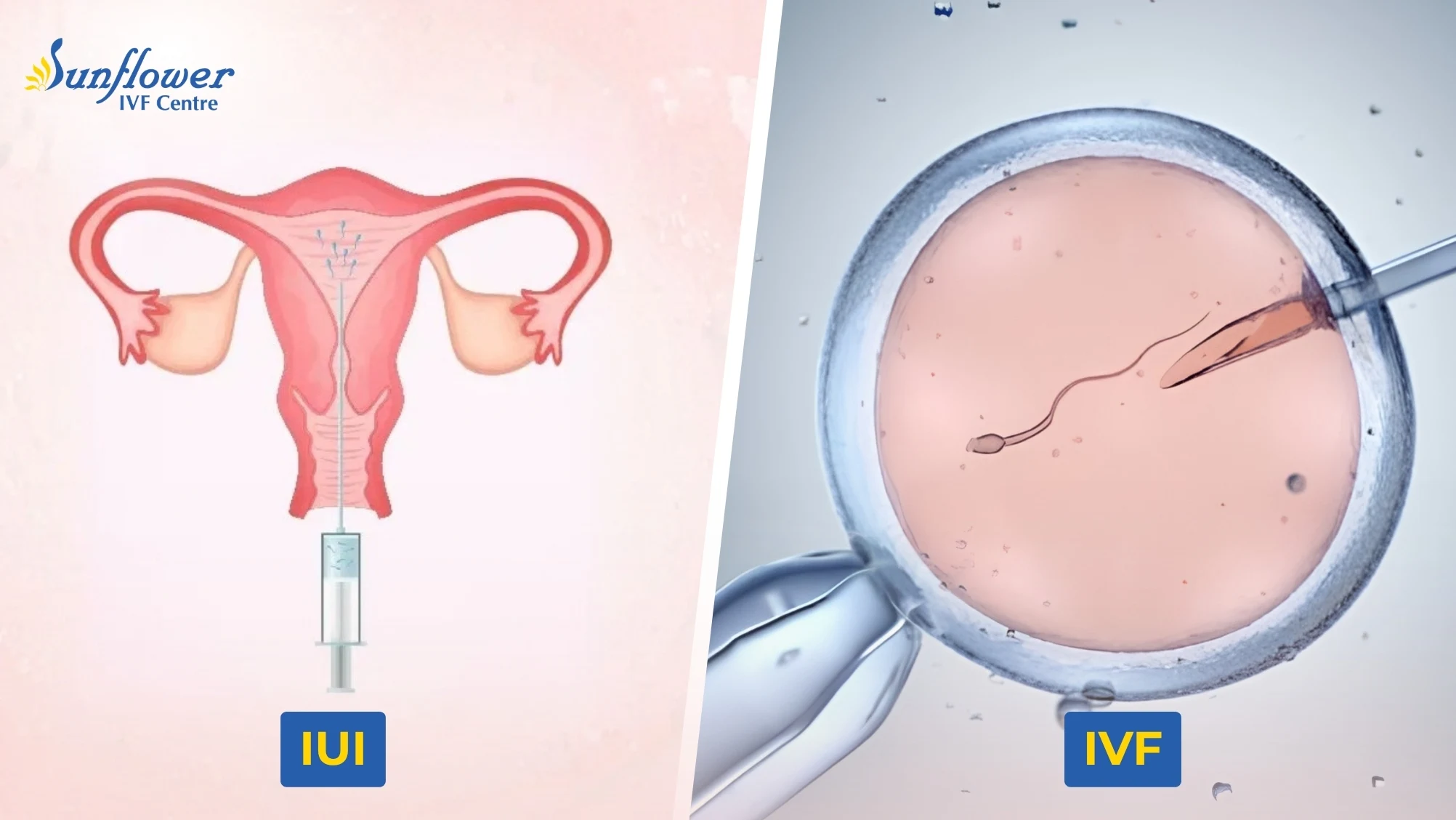
IVF Treatment requires multiple processes including ovarian stimulation, monitoring, egg recuperation, fertilization, embryo cultivation and either transfer or freezing. ICSI, which is the direct injection of a single sperm into one egg, may apply in certain circumstances and not for everyone as a matter of course.
When clinically appropriate, embryos can be cultured up to the blastocyst stage for transfer or cryopreservation. The procedure of embryo transfer must take both uterine and endometrial factors into consideration. The current NICE guidelines recommend the transfer of embryos to be guided by ultrasound procedures.
The IVF Journey: From Treatment Planning to Embryo Transfer
After the embryo has been implanted, individuals begin to monitor their bodies for signs. They might feel various symptoms such as mild abdominal discomfort, sore breasts, etc., however, experiencing the symptoms alone cannot indicate that one is actually pregnant. The medications used in the process may reflect the symptoms of the early stages of pregnancy.
If the test results indicate that a positive pregnancy test after IVF has occurred, blood tests for beta-hCG are usually conducted afterwards, according to the clinic’s protocol. If pregnancy is confirmed, follow-up is planned to establish that the pregnancy is developing in the expected location and manner.
The Importance of Personalized Care During IVF Treatment
Attentive care doesn’t stop with embryo transfer. In some cases, patients may need medication changes, have their blood tests repeated, or have an evaluation sooner than planned.
With that said, IVF pregnancy care has to be considered at this stage. Patients should know what medications they are taking, when they must see the physician, and which symptoms would require immediate medical assistance. Abnormal bleeding, severe abdominal pains, and fainting must not be ignored.
From a Positive Pregnancy Test to a Successful Pregnancy
An IVF pregnancy should be cared for much like any other pregnancy, while recognising that some pregnancies have additional risk factors. An early ultrasound is utilized to validate the site and development of pregnancy and, when applicable, detect heart activity.
IVF pregnancy symptoms often involve nausea, fatigue, breast tenderness, urination, and mild cramping. However, the absence of any symptoms does not imply that something is wrong. Equally, symptoms do not indicate if the pregnancy will be successful or otherwise.
In the early pregnancy after IVF, the task is to ensure that everything is developing correctly and then move on to routine antenatal care. The timing of the first and subsequent IVF pregnancy scan will vary based on the medical situation.
Patients may look for pregnancy monitoring after IVF treatment or pregnancy after IVF success as they want to be assured about the progress of their pregnancy after a challenging experience with fertility. In practice, no tests or scans can guarantee the outcome of pregnancy. It’s possible to monitor the pregnancy only clinically over time through reviews, tests, and ultrasounds.
For couples coming for IVF pregnancy care Ahmedabad, it would be ideal to work with a specialist who offers fertility treatment and pregnancy support. An IVF center Ahmedabad may also guide patients on when routine obstetric care can take over, depending on their individual circumstances.
IVF pregnancy is not merely an event marked by a positive pregnancy test. It consists of several stages that include monitoring for successful implantation, early development of the pregnancy and successful dealing with problems when they arise. Adequate follow-up enables patients to leave behind the doubts about their fertility treatment and enter the second stage of their treatment with full understanding of what is going on with their pregnancy.
related blog

Pregnancy After IVF Treatment: A Complete Guide to Your Journey
IUI vs IVF Treatment: Differences in Process, Cost and Treatment Time