

Signs of Infertility in Women: When to See a Fertility Specialist


Signs of Infertility in Women: When to See a Fertility Specialist for Expert Care and Support
Infertility affects many women and can cause significant emotional distress and uncertainty. Recognizing the signs early enables timely assessment and treatment. This article summarises the symptoms of female infertility, when to consult a fertility specialist, and the diagnostic steps typically used. It also outlines treatment options and explains how personalised care can improve the likelihood of conception. Early recognition allows women to pursue appropriate support and clinical care.
Key Takeaways
- Infertility in women is defined by failure to conceive after one year or six months if over 35 years old.
- Common signs of female infertility include irregular menstrual cycles, severe pelvic pain, and recurrent miscarriages.
- Women should consult a fertility specialist if they experience prolonged conception attempts or specific reproductive symptoms.
- Diagnostic tests like hormonal assessments, ultrasounds, and laparoscopy help identify causes of female infertility.
- Treatment options include medications, IVF, surgical interventions, and lifestyle modifications tailored to individual needs.
- Early specialist consultation improves fertility treatment success by enabling timely diagnosis and personalized care plans.
- Medical conditions and lifestyle factors such as PCOS, diabetes, smoking, and stress significantly impact female fertility.
- Comprehensive fertility services provide emotional support and advanced diagnostics to enhance patient outcomes.
- Understanding infertility signs and seeking expert care promptly can increase the chances of successful conception.
Signs of Infertility in Women
Infertility is defined as the inability to conceive after one year of unprotected intercourse for women under 35, and after six months for women aged 35 or older. Causes include hormonal imbalance, anatomical problems, and lifestyle factors. Key symptoms to note are irregular menstrual cycles, severe pelvic pain, and repeated miscarriages. Early recognition of these signs supports more effective diagnosis and treatment planning.
For a deeper dive into the common causes of
, including ovulatory failure and tubal damage, consider the following research.
Causes of Infertility: Ovulatory Failure, Tubal Damage, Endometriosis
About 17% of couples in industrialized countries seek help for infertility. Causes may include ovulatory failure, tubal damage, endometriosis, or a low sperm count. In developed countries, 80% to 90% of couples attempting to conceive are successful after one year and 95% after two years.
Female infertility, S Bhattacharya, 2010
When to See a Fertility Specialist

Determining when to consult a fertility specialist is important for timely care. Use the following guidelines to decide when to seek expert assessment.
- Duration of Trying to Conceive: If you have been trying to conceive for over a year without success (or six months if over 35), it may be time to seek professional help.
- Presence of Specific Symptoms: Symptoms such as irregular periods, severe menstrual cramps, or unexplained weight changes should prompt a consultation.
- History of Reproductive Issues: Women with a history of reproductive problems, such as endometriosis or pelvic inflammatory disease, should consult a specialist sooner.
Recognising these factors enables informed decisions about reproductive health and timely referral to specialist services.
Diagnostic Processes
The diagnostic pathway for infertility commonly includes a sequence of tests to identify underlying causes. Typical investigations are hormonal assays, pelvic ultrasound, and diagnostic laparoscopy. Each test evaluates a specific aspect of reproductive function or anatomy. A precise diagnosis is essential to selecting the most appropriate treatment strategy.
This table summarises common diagnostic tests used to evaluate female infertility and their role in clinical assessment.
Available Treatment Options

Treatment depends on the identified cause. Common approaches include medication to regulate ovulation, assisted reproductive technologies such as in vitro fertilization (IVF), and surgical correction of anatomical problems. Lifestyle interventions may also form part of a comprehensive plan.
- Medications: Hormonal treatments can help regulate ovulation and improve fertility.
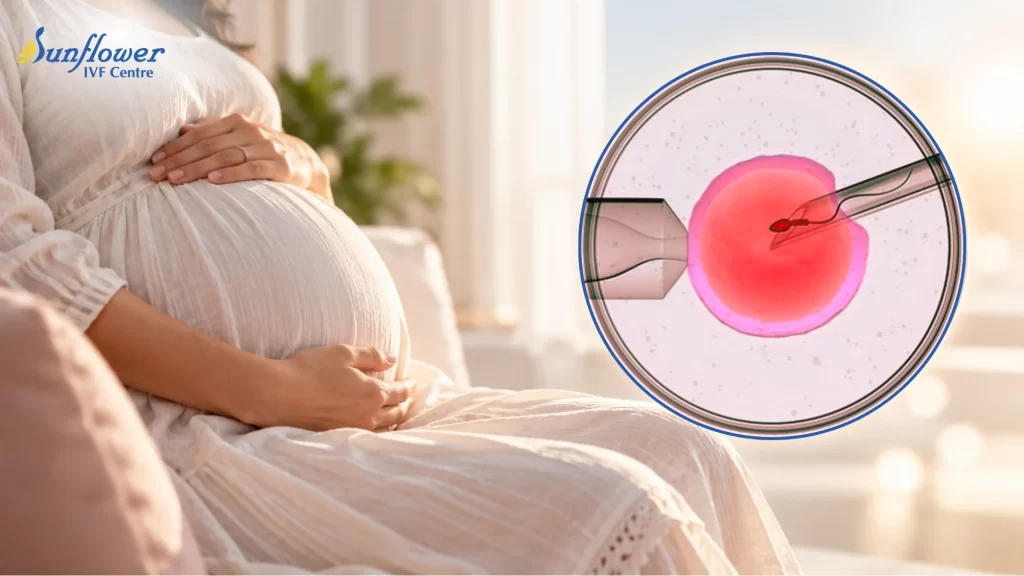
- In Vitro Fertilization (IVF): This assisted reproductive technology involves fertilizing an egg outside the body and implanting it in the uterus.
- Surgical Interventions: In cases of anatomical issues, surgery may be necessary to correct problems such as blocked fallopian tubes.
At Sunflower Hospital, we provide comprehensive fertility services tailored to each patient’s clinical needs to ensure coordinated, evidence-based care.
Personalized Treatment Plans
Personalised treatment plans address the individual circumstances of each patient. Age, medical history, and lifestyle factors inform the chosen strategy. Collaboration with specialist clinicians produces a targeted plan that aims to maximise the chance of conception. Modifications to diet, exercise and other habits can also support treatment outcomes.
What Are the Early Signs and Symptoms of Female Infertility?
Early detection of infertility signs improves the likelihood of successful treatment. Common early indicators include:
- Irregular Menstrual Cycles: Variations in cycle length can signal hormonal imbalances.
- Severe Pelvic Pain: This may indicate conditions like endometriosis or fibroids.
- Unexplained Weight Changes: Sudden weight gain or loss can affect hormonal balance and fertility.
Timely recognition of these symptoms supports prompt clinical evaluation and intervention.
Which Symptoms Warrant Immediate Fertility Specialist Consultation?
Certain symptoms require urgent specialist assessment. These include:
- Prolonged Attempts to Conceive: If you have been trying to conceive for over a year (or six months if over 35), seek help.
- Severe Pain: Intense pelvic pain during menstruation or intercourse may indicate underlying issues.
- History of Reproductive Problems: Previous miscarriages or known reproductive disorders warrant prompt evaluation.
Addressing these issues early can improve the prospects for effective treatment and better outcomes.
What Are the Main Causes and Risk Factors of Female Infertility?
Multiple factors contribute to female infertility, including hormonal disorders, age-related decline in ovarian reserve, and lifestyle influences. Identifying these factors guides clinical decision-making.
- Hormonal Imbalances: Conditions like polycystic ovary syndrome (PCOS) can disrupt ovulation.
- Age-Related Factors: Fertility declines with age, particularly after 35.
- Lifestyle Influences: Factors such as smoking, excessive alcohol consumption, and obesity can negatively impact fertility.
Understanding these causes enables proactive measures and targeted medical management to support reproductive health.
For additional
on how hormonal imbalances, particularly those associated with PCOS, affect
, review the following study.
Hormonal Imbalances in PCOS and Female Infertility
Polycystic Ovary Syndrome (PCOS) is a multifactorial endocrine disorder that causes ovulatory dysfunction and can lead to infertility. It is strongly associated with hormonal imbalance and metabolic disturbances in women of reproductive age. The study examines hormone profiles, oocyte quality and fertility outcomes using clinical and biochemical measures.
Investigating the Role of Hormonal Imbalances in Polycystic Ovary Syndrome (PCOS) and Fertility Outcomes, 2024
How Do Medical Conditions and Lifestyle Factors Affect Female Fertility?
Medical conditions such as diabetes, thyroid disease and autoimmune disorders can disrupt hormones and ovulation. Lifestyle factors—diet, physical activity and stress management—also influence reproductive function. A holistic clinical approach that addresses both medical conditions and modifiable behaviours can improve fertility outcomes.
What Are the Latest Statistics on Female Infertility in India?
Recent estimates indicate that approximately 10–15% of couples in India face difficulty conceiving. Contributing factors include delayed childbearing, increased stress and lifestyle changes. Raising awareness and improving access to specialist care are important to address this challenge.
When Should You Consult a Fertility Specialist? Signs and Timing for Fertility Consultation
Consider specialist consultation under these circumstances:
- Age Considerations: Women over 35 should seek help after six months of trying to conceive.
- Persistent Symptoms: Ongoing irregularities in menstrual cycles or severe pain should prompt immediate consultation.
- Family History: A family history of infertility or reproductive issues may necessitate earlier evaluation.
Recognising these signs supports timely referral and increases the potential for successful intervention.
What Are the Recommended Guidelines for Seeking Fertility Tests and Specialist Advice?
Recommended guidelines include considering specialist assessment after one year of trying to conceive (or six months if over 35), monitoring for concerning symptoms such as irregular cycles or severe pain, and seeking earlier evaluation when there is a relevant reproductive history. Following these recommendations helps streamline diagnosis and treatment planning.
- Duration of Trying to Conceive: If attempts exceed one year (or six months if over 35), consider consulting a specialist.
- Key Symptoms: Monitor for irregular cycles, severe pain, or other concerning symptoms.
- Reproductive History: Previous reproductive issues should prompt earlier evaluation.
Adhering to these guidelines enables efficient access to appropriate testing and specialist care.
How Early Specialist Consultation Improves Fertility Treatment Outcomes
Early specialist consultation often improves treatment outcomes by enabling prompt diagnosis and tailored care. Factors such as age and duration of infertility influence prognosis. Early evaluation allows clinicians to recommend the most appropriate interventions for each patient.
Which Diagnostic Tests Are Used to Identify Female Infertility?
Common diagnostic tests for female infertility include hormonal assessments to evaluate endocrine function, ultrasound imaging to visualise reproductive anatomy, and laparoscopy for direct inspection and treatment of pelvic pathology. These investigations help define the cause and guide management.
What Are Common Fertility Diagnostic Procedures and Their Purposes?
Typical diagnostic procedures include hysterosalpingography (HSG) to assess fallopian tube patency, endometrial biopsy to examine the uterine lining, and semen analysis as part of a comprehensive couple-based evaluation. Each procedure yields specific diagnostic information that directs treatment choices.
How Does Sunflower Hospital Provide Comprehensive Fertility Testing Services?
Sunflower Hospital offers a full range of fertility testing services designed around individual patient needs. Services include personalised assessments, use of advanced diagnostic equipment, and supportive care throughout the testing process. This integrated approach ensures accurate diagnosis and coordinated planning.
What Treatment Options Are Available for Female Infertility? IVF and Beyond
Treatment options include in vitro fertilization (IVF), intrauterine insemination (IUI), and medical therapies to regulate ovulation. The choice of treatment is guided by the underlying diagnosis and the patient’s individual circumstances.
- In Vitro Fertilization (IVF): A widely used assisted reproductive technology that involves fertilizing an egg outside the body.
- Intrauterine Insemination (IUI): A less invasive procedure that involves placing sperm directly into the uterus.
- Medications: Hormonal treatments to regulate ovulation and improve fertility.
These options offer different pathways to achieve pregnancy and are selected according to clinical indications.
How Does IVF Treatment Work and When Is It Recommended?
IVF involves ovarian stimulation, egg retrieval, laboratory fertilization, and embryo transfer. It is recommended for conditions such as blocked fallopian tubes, severe endometriosis, or unexplained infertility. Success rates depend on age and individual health; specialist guidance is essential for personalised planning.
What Other Fertility Treatments and Supportive Care Are Offered?
Alongside IVF, clinics provide hormonal therapies, surgical interventions to correct anatomical problems, and counselling services to support emotional wellbeing. A multidisciplinary approach addresses both the clinical and psychosocial aspects of infertility.
- Hormonal Therapies: To address hormonal imbalances affecting fertility.
- Surgical Interventions: To correct anatomical issues that may hinder conception.
- Counseling Services: Emotional support for individuals and couples navigating the challenges of infertility.
These services work together to support patients through diagnosis, treatment and follow-up.
How Do Patient Success Stories Inspire Hope in the Fertility Journey?
Patient success stories provide encouragement for those facing infertility. Accounts of successful outcomes demonstrate the value of early assessment, personalised treatment and sustained clinical support. Such narratives can offer hope and practical insight for others on a similar journey.
What Are Real-Life Testimonials from Women Who Overcame Infertility?
Testimonials from women who have overcome infertility describe the challenges they faced and the treatments that led to positive outcomes. These accounts highlight perseverance, the benefit of specialist care, and the emotional support that accompanies successful treatment.
How Does Compassionate Care at Sunflower Hospital Support Patients?
Sunflower Hospital emphasises compassionate, patient-centred care. Our approach includes tailored clinical plans, access to counselling and emotional support, and collaborative decision-making with each patient. This commitment helps patients feel supported throughout their fertility journey.
Frequently Asked Questions
What lifestyle changes can improve female fertility?
Specific lifestyle changes can improve fertility. A balanced diet rich in fruits, vegetables, whole grains and healthy fats supports reproductive health. Regular exercise helps maintain a healthy weight and reduces stress. Avoiding smoking, limiting alcohol and managing stress through therapy or mindfulness can also improve ovulatory function. Maintaining an appropriate body weight is important, since underweight and overweight conditions can affect fertility.
How does age affect female fertility?
Age is a key determinant of female fertility. Egg quantity and quality decline over time, with a more pronounced reduction after age 35. This decline increases the difficulty of conception and the risk of miscarriage and chromosomal abnormalities. Women in their 20s and early 30s generally have higher chances of conceiving naturally. Understanding these age-related changes helps with family planning and timing of specialist consultation.
What role do hormonal imbalances play in infertility?
Hormonal imbalances can disrupt ovulation and menstrual regularity, impairing fertility. Conditions such as polycystic ovary syndrome (PCOS) and thyroid dysfunction commonly affect hormones like estrogen, progesterone and luteinizing hormone. Identifying and treating these imbalances—through lifestyle modification or medical therapy—can restore ovulation and improve chances of conception.
Are there emotional impacts associated with infertility?
Infertility often carries significant emotional effects, including anxiety, depression and isolation. The stress of trying to conceive and societal expectations can compound these feelings. Seeking emotional support from counselling, support groups or trusted family members is important. Addressing mental health needs is an integral part of comprehensive fertility care.
What are the benefits of early intervention in infertility treatment?
Early intervention improves the likelihood of successful treatment. Timely specialist evaluation enables quicker identification of underlying causes and allows for tailored treatment plans. This proactive approach is particularly important when age or medical factors affect fertility. Early consultation also provides emotional support and clearer guidance for patients and couples.
How can partners support each other during the fertility journey?
Partner support is vital. Open communication about feelings, expectations and practical concerns strengthens the relationship. Couples can adopt shared healthy behaviours, such as joint exercise or nutritious meal planning, and attend counselling together. Emotional availability and mutual understanding reduce isolation and improve coping during treatment.
What should I expect during a fertility consultation?
A fertility consultation involves a comprehensive evaluation of medical history, menstrual patterns and previous reproductive events. The specialist may recommend diagnostic tests such as hormonal assays or ultrasound imaging. You will discuss potential treatment options tailored to your situation. The consultation provides an opportunity to ask questions, clarify concerns and agree the next steps.
related blog

A Successful IVF Journey After Years of Trying to Conceive With IVF Doctors in Ahmedabad
Pregnancy After IVF Treatment: A Complete Guide to Your Journey